French Press Coffee
Cafetière à piston (French); caffettiera a stantuffo (Italian) Say french PRESS (French: kaf-TYAIR ah pee-STOHN)
An immersion brew: coarse coffee steeps in hot water, then a mesh filter on a plunger is pressed down to hold back the grounds. Heavy-bodied, slightly silty and full of flavour.
- ServedHot
- In EnglishFrench press / cafetière / coffee plunger
- TastesBalanced, Bold, Rich
About French Press Coffee
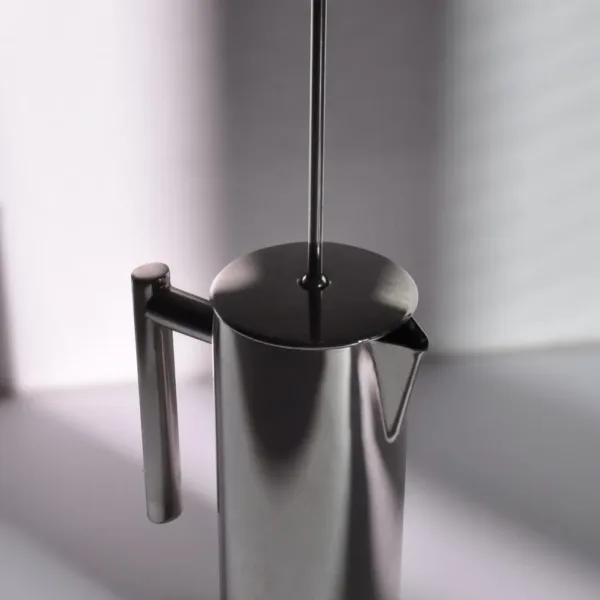
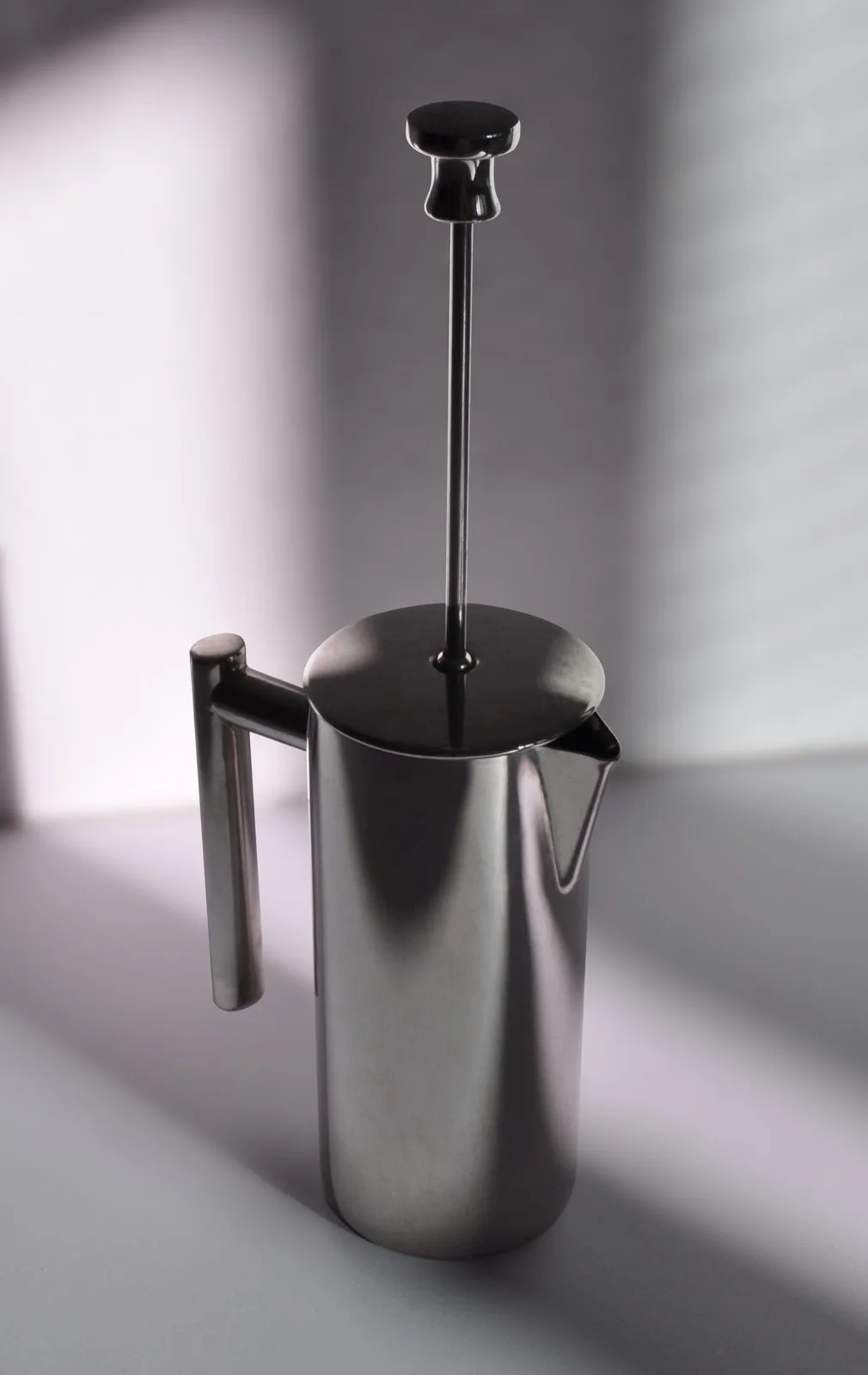
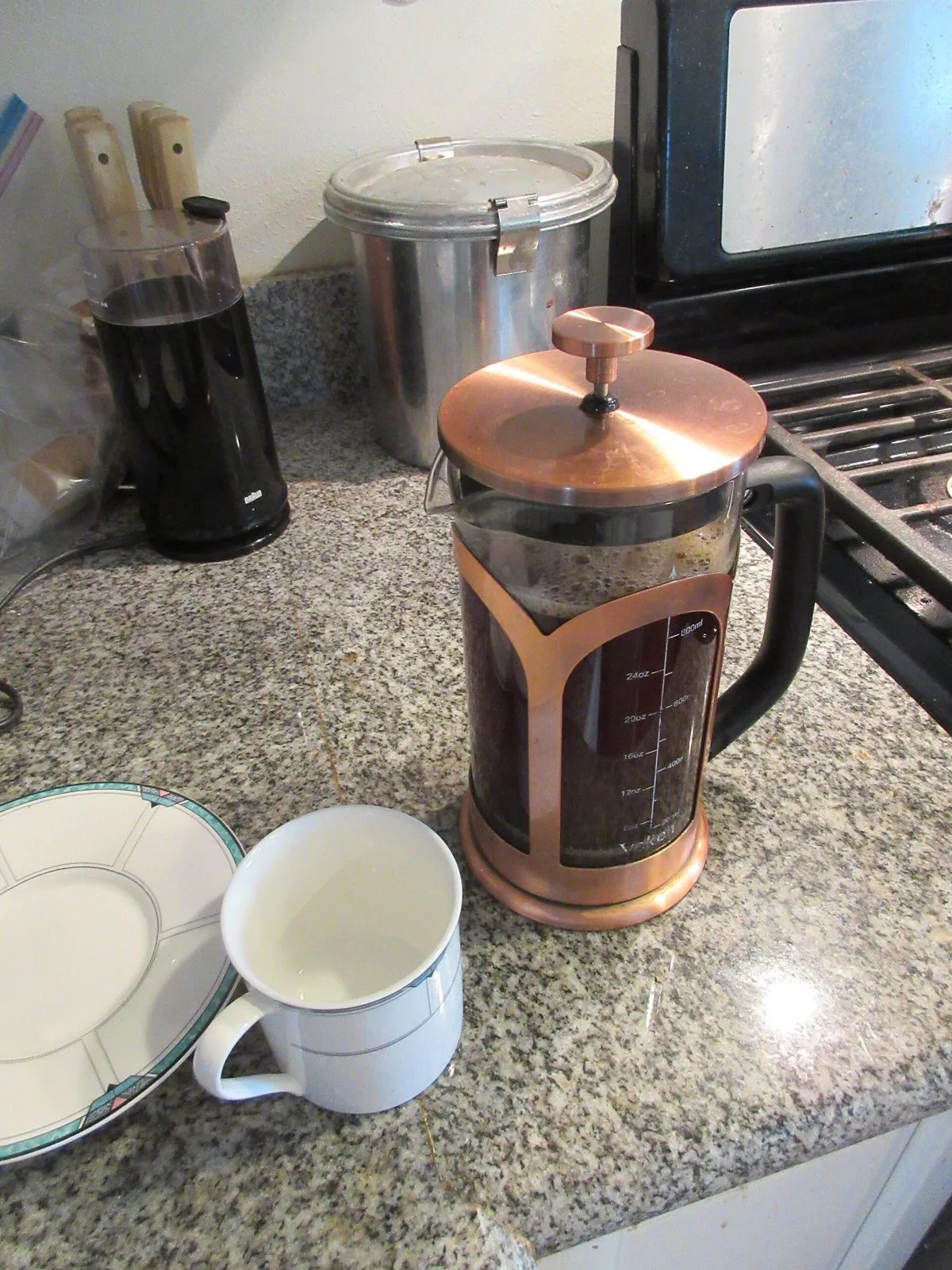
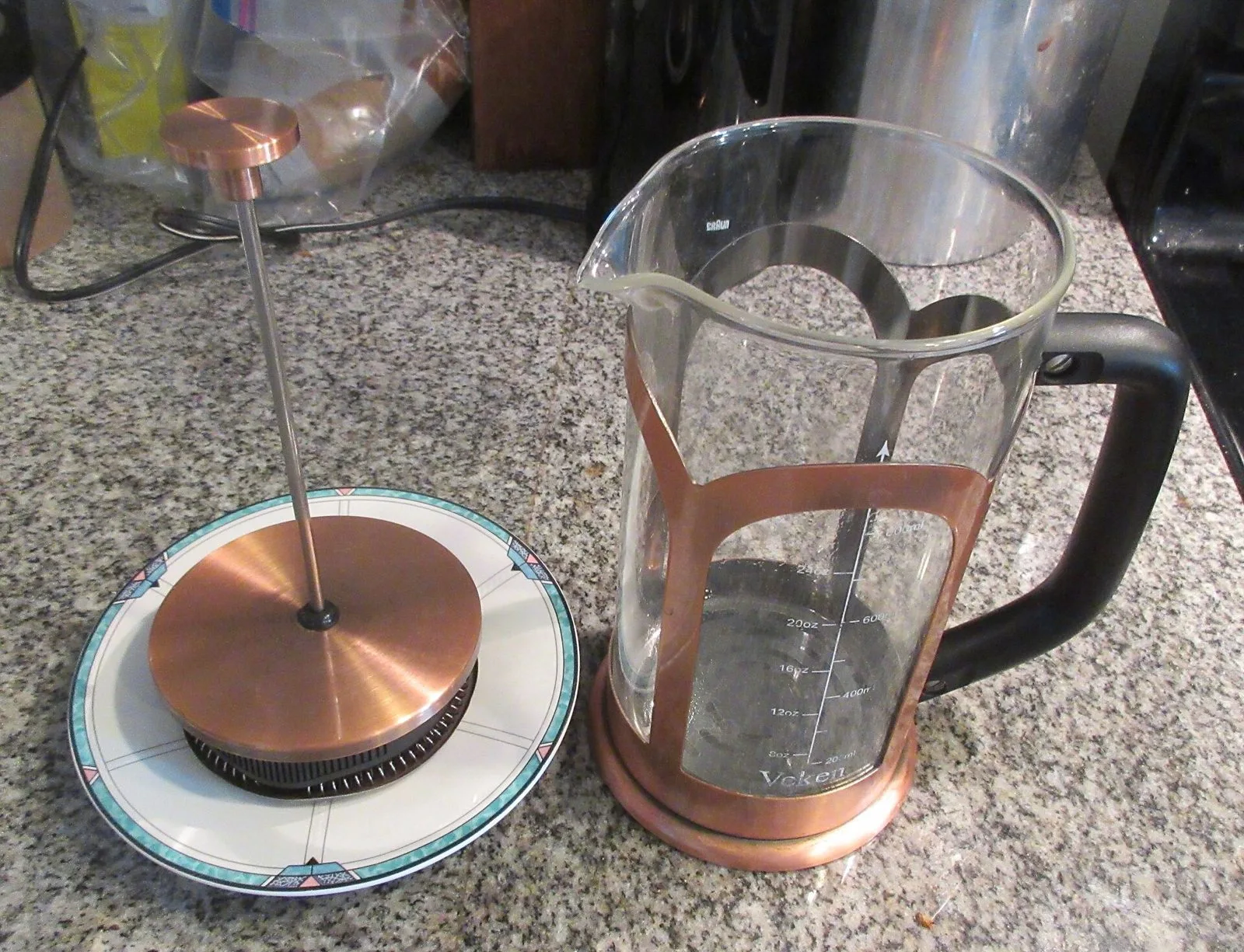
A French press is a glass or steel jug with a lid and a plunger fitted with a fine metal mesh. Coarsely ground coffee and hot water are left to steep together, and after a few minutes the plunger is pushed down, trapping the grounds at the bottom so the coffee can be poured off.
Because the metal mesh lets through fine particles and coffee oils that paper filters would hold back, French press coffee is rich, rounded and heavy-bodied, with a little sediment at the bottom of the cup. It is forgiving, needs no electricity beyond a kettle, and is easy to scale from one mug to a whole table.
The device has many names. North Americans say French press or coffee press, Britons and the Irish say cafetière, and in Australia, New Zealand and South Africa it is a coffee plunger. Brand names such as Bodum and Melior are also used as everyday words for it.
In the cup
- Thin foam 5%
- Brewed coffee 95%
Ingredients
- Coarsely ground coffee≈ 30 g
- Water just off the boil (≈ 93–96 °C)500 ml
- Milk or sugar (optional)to taste
How to make it
You needFrench press (cafetière), kettle, grinder or coarse pre-ground coffee, spoon, timer
RatioAbout 30 g coffee to 500 ml water (≈ 1:16), adjusted to taste
-
Warm the press with a little hot water, then pour it away.
-
Add the coarse coffee to the empty beaker.
-
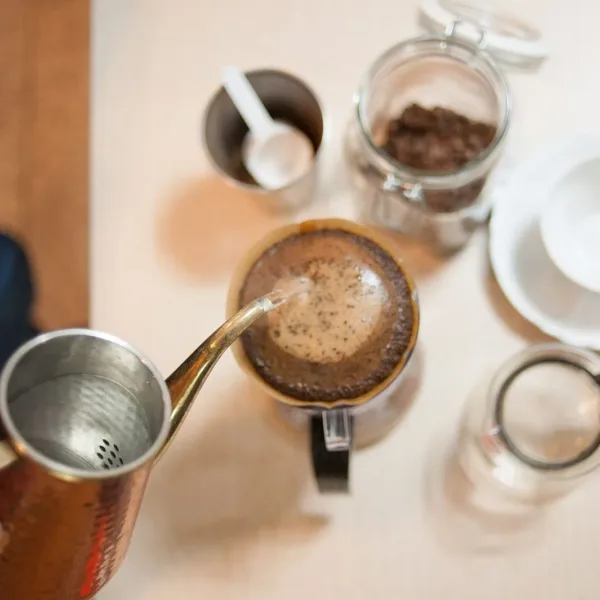
Pour in water just off the boil and stir gently so all the grounds are wet.
-
Put the lid on with the plunger raised and leave to steep for about 4 minutes.
-
Press the plunger down slowly and evenly.
-
Pour straight away into cups or a separate jug.
Origin & history
The history of the French press is shared between France and Italy. In 1852 Henri-Otto Mayer, a Paris metalsmith, and Jacques-Victor Delforge, a merchant, patented a plunger device that is generally seen as its forerunner, although its filter did not seal against the sides and there is little evidence it was ever made in quantity.
The modern press took shape in Italy. A design by Ugo Paolini was licensed to the Milanese designers Attilio Calimani and Giulio Moneta, who filed patents in 1928–1929. Accounts differ on who added the springy seal that keeps grounds out of the cup: some credit Calimani and Moneta, while others point to Bruno Cassol’s design of the mid-1930s.
In 1958 Faliero Bondanini patented his own version and produced it in France under the Melior brand. Melior in France, Household Articles’ “La Cafetière” in Britain and Bodum’s Chambord from Denmark then spread the press across Europe and beyond – which is why so many people still call it by a brand name.
Variations
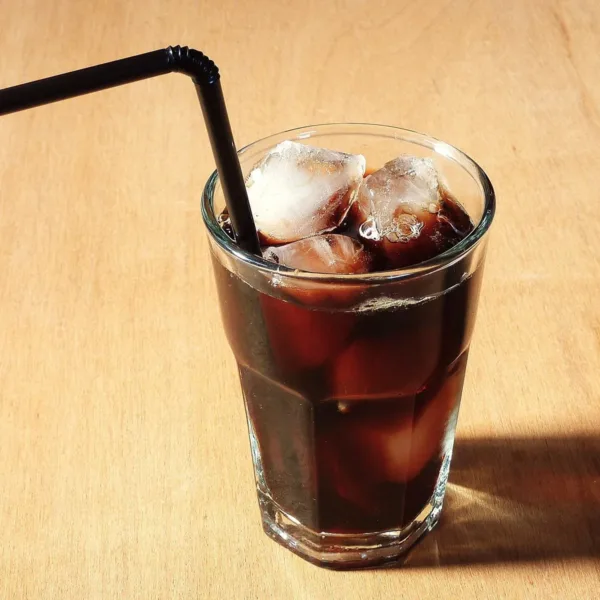
- Cold-brew presscoarse coffee steeped in cold water for several hours, then plunged
- Plunger coffeethe everyday Australian, New Zealand and South African name for the same brew
- Caféolettean early 20th-century stovetop press used to brew coffee in milk instead of water (France)
- Travel pressan insulated mug with its own plunger
Good to know
Use a coarse grind – about like cooking salt. Fine coffee is hard to plunge, slips through the mesh and tastes bitter.
Plunge slowly and steadily to avoid hot splashes.
Pour all the coffee off once it's brewed; left on the grounds it turns bitter and astringent.
Leave the last few millilitres in the pot – that's where the silt collects.