Freddo Espresso
Φρέντο εσπρέσο (Fredo espresso) Say FRED-oh es-PRESS-oh
A double espresso shaken with ice (and sugar, if you want it) in a mixer until it chills and foams, then poured over fresh ice. Greece's everyday iced coffee since the 1990s, with a dense, silky head and a strong, clean coffee taste.
- ServedIced
- In EnglishCold espresso
- TastesBitter, Bold, Smooth
About Freddo Espresso
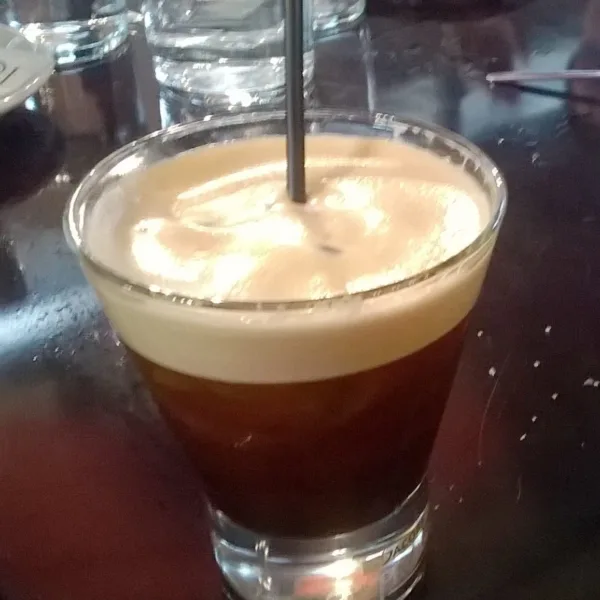
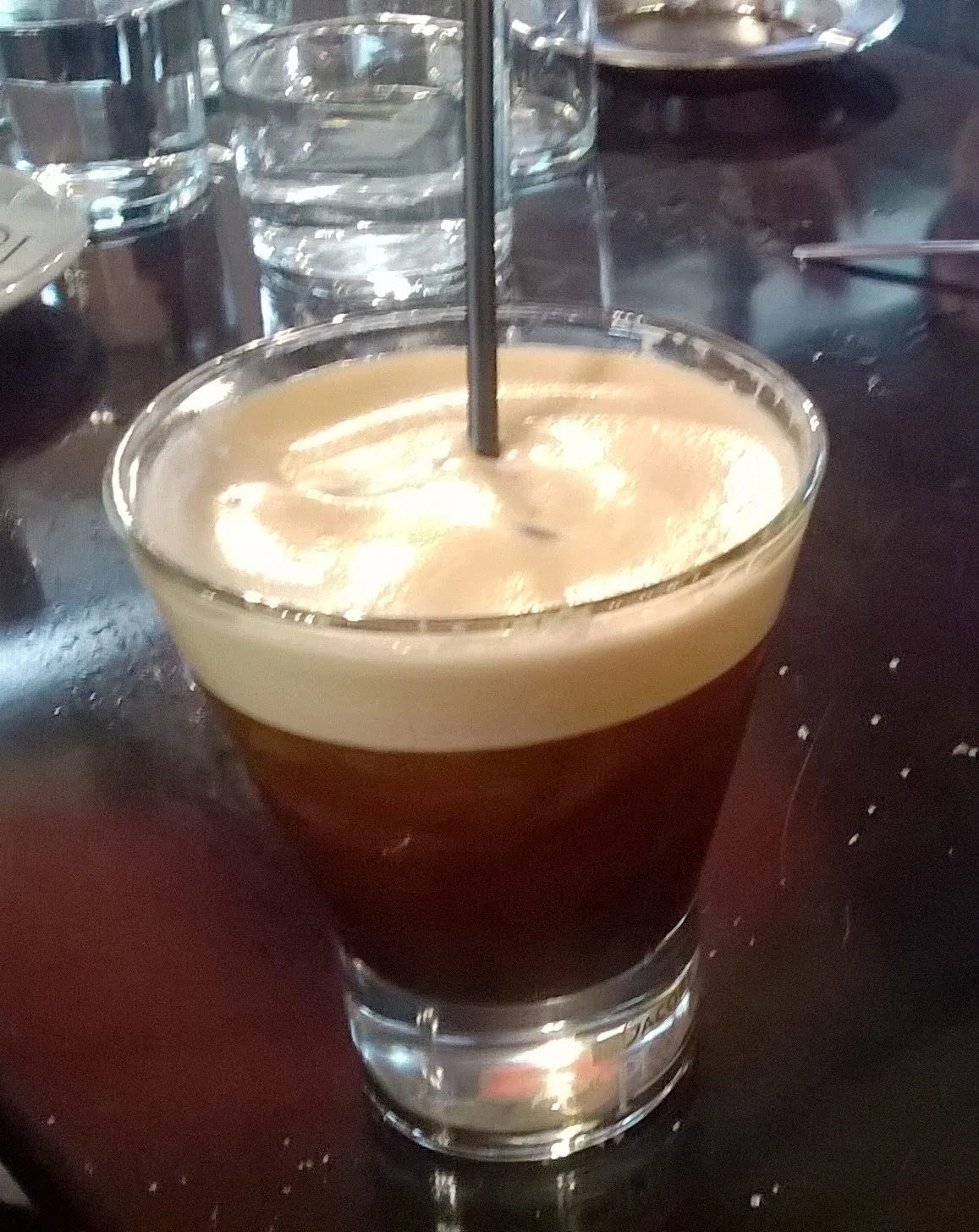
A freddo espresso is a double shot of espresso shaken or blended with ice until it is cold and topped with a fine, light-brown foam, then poured over fresh ice into a tall glass. The name borrows the Italian word freddo (“cold”), but the drink is Greek through and through. Shaking whips the coffee’s oils into a velvety head, so it tastes smoother and less sharp than espresso simply poured over ice.
In Greece it is the default iced coffee from spring to autumn. Cafés use the same metal mixer, the frapiéra, that made the older frappé famous, and Greeks sit over one glass for an hour or more with friends. The industry estimates that the freddo espresso and its milky sibling, the freddo cappuccino, together make up roughly 70–80% of all cold coffee drunk in the country.
Sugar matters: you say how sweet you want it when you order, because sugar added to an ice-cold drink afterwards won’t dissolve. Many people drink it skétos (unsweetened) to taste the coffee itself.
In the cup
- Espresso foam 20%
- Shaken iced espresso 80%
Ingredients
- Freshly pulled espressoa double shot (≈ 30–50 ml)
- Ice cubes for shaking≈ 3–4 cubes (≈ 60–100 ml)
- Fresh ice cubes for the glassto fill the glass
- Sugar or simple syrup (optional)1–2 tsp or to taste
How to make it
You needEspresso machine, frappé mixer (frapiéra) or cocktail shaker, tall glass, straw
RatioA double espresso (≈ 30–50 ml) to roughly twice its volume in ice for shaking, then served over fresh ice
-
Pull a double espresso.
-
Pour it straight into a mixer jug or shaker with a few ice cubes, plus sugar if you want it sweet.
-
Blend with a frappé mixer or shake hard for 10–15 seconds until cold and foamy.
-
Fill a tall glass with fresh ice.
-
Pour the chilled espresso over the ice so the foam settles on top, and serve with a straw.
Origin & history
Greece already had a national iced coffee, the frappé, which spread from Thessaloniki in the late 1950s. As espresso became fashionable in Greek cafés, the idea took hold of applying the frappé’s shaking technique to espresso, and the freddo espresso appeared in the 1990s. It became a nationwide habit in the 2000s and has since largely overtaken the frappé.
Its exact origins are unclear. The invention is most often credited to Yiannis Iosifides, founder of the coffee distributor Kafea Terra (which brought illy to Greece in 1988), who reportedly wanted to stop espresso sales falling every summer. Another story points to a café called Freddo in Athens. Greek chains such as Coffee Island have since taken the drink abroad.
Variations
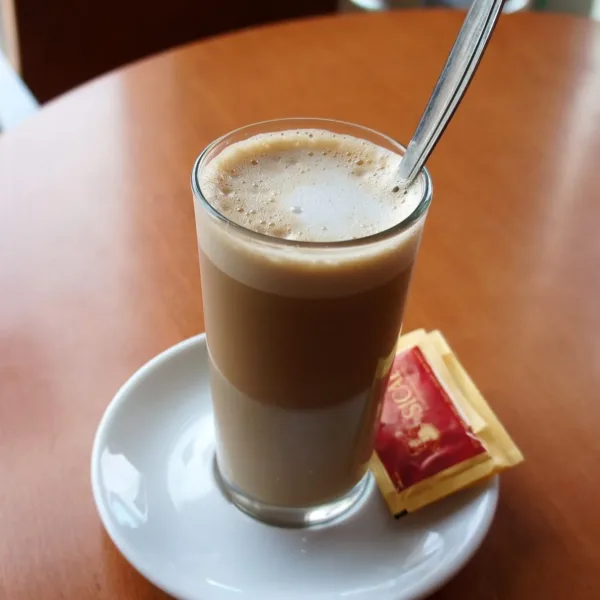
- Freddo cappuccinothe same base topped with cold frothed milk (Greece)
- Frappéthe older Greek iced coffee, made with instant coffee whipped with water and ice (Greece)
- Caffè shakeratoespresso shaken with ice and served without ice in a cocktail glass (Italy)
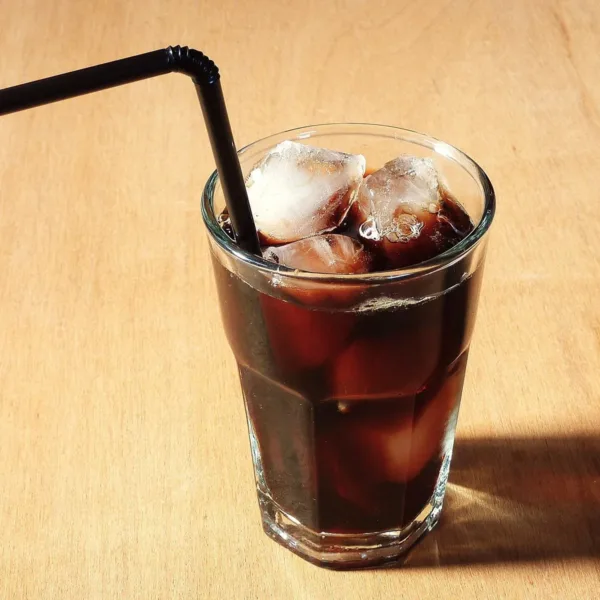
- Caffè in ghiaccioespresso poured over ice in a tumbler (Salento, Italy)
Good to know
Always say how sweet you want it when ordering – sugar is shaken in, and you can't stir it in properly once it's cold.
Skétos means no sugar, métrios about 1–2 teaspoons and glykós 2 or more.
It is meant to be lingered over – nobody will rush you out of a Greek café.
Want it milky? Order a freddo cappuccino, which adds a cap of cold frothed milk.