Mazagran
Mazagran (café mazagran) Say MAZ-a-gran (French: ma-za-GRAHN)
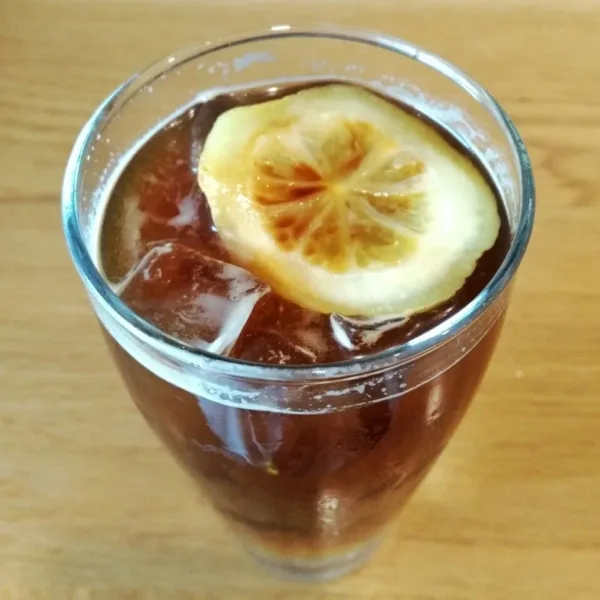
Strong, sweetened coffee served cold in a tall glass or footed cup, traditionally diluted with cold water. Named after the Algerian fort of Mazagran, it is often described as the original iced coffee; the Portuguese version adds lemon.
- ServedIced
- In EnglishIced coffee from Mazagran
- TastesBitter, Bright, Sweet
About Mazagran
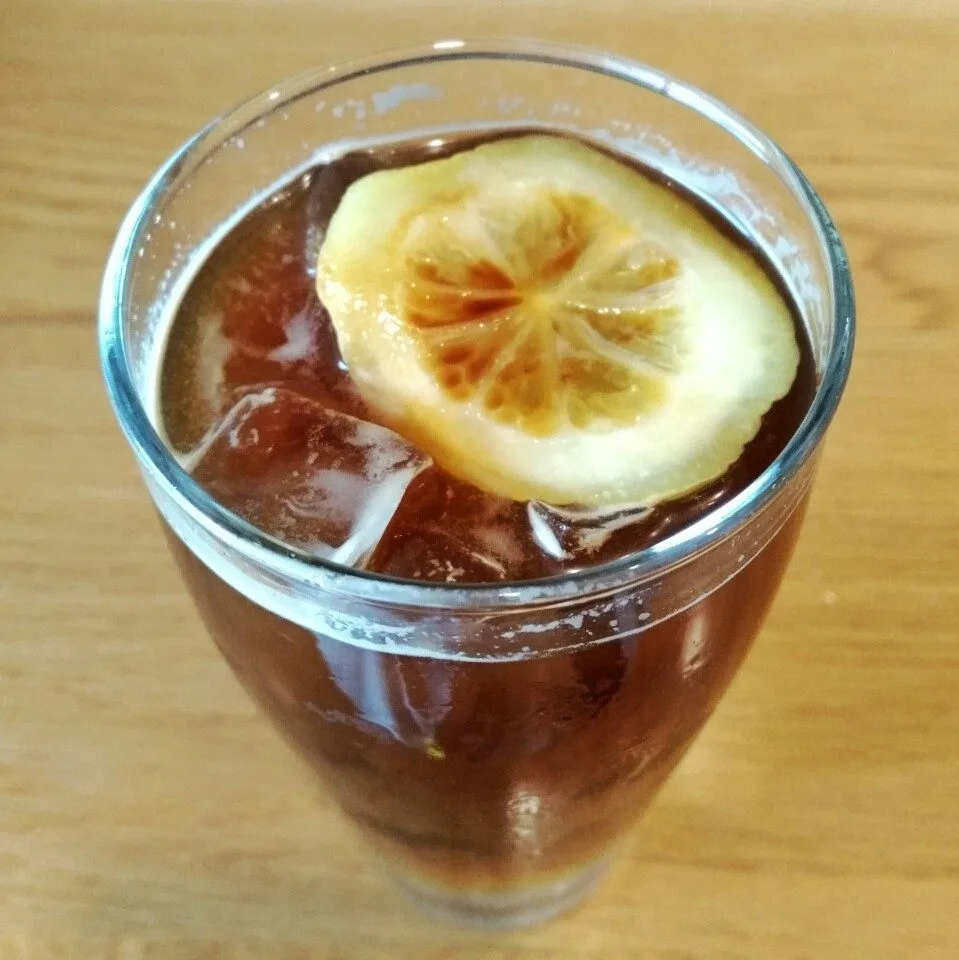
Mazagran is a cold, sweetened coffee drink that originated in Algeria in the 1840s and is often called the original iced coffee. In its earliest form it was simply strong coffee (or coffee syrup) mixed with cold water. Today it is usually strong, sweetened coffee or espresso poured over ice in a tall glass, sometimes served with a jug of cold water so you can dilute it to taste.
Different countries have made it their own. In Portugal, a mazagran is espresso or strong coffee over ice with lemon and sugar, sometimes with mint or a splash of rum. In Catalonia and Valencia, the similar cafè del temps (“weather’s coffee”) is coffee poured over ice with lemon peel. In Austria it has been served with an ice cube and a dash of rum or maraschino, to be drunk in one go.
The name also belongs to a style of cup: a tall, footed glass or porcelain vessel, usually without a handle, once popular in French cafés. It tastes bitter, sweet and refreshing, and the lemon versions are surprisingly bright.
In the cup
- Lemon slice 5%
- Sweetened coffee 65%
- Ice 30%
Ingredients
- Strong hot coffee or espresso≈ 60–120 ml
- Sugar or sugar syrup1–2 tsp
- Ice cubes or cold waterto fill the glass
- Lemon slice or peel (optional)1
- Rum or mint (optional, Portuguese style)a splash / a few leaves
How to make it
You needEspresso machine or coffee maker, tall glass or mazagran cup, spoon
RatioRoughly 1 part strong coffee to 1–2 parts ice or cold water, to taste
-
Brew a strong coffee or espresso.
-
Stir in sugar or syrup while it's still hot.
-
Fill a tall glass with ice (or, traditionally, have cold water ready).
-
Pour the sweetened coffee over the ice.
-
Add a slice or twist of lemon if you like, and serve with a spoon to stir.
Origin & history
The drink takes its name from Mazagran, a fortress near Mostaganem on the coast of north-west Algeria, which came under French control in the 1830s. In 1840 a garrison of about 123 French soldiers held the fort against a much larger force, and the siege was celebrated in France as a heroic stand.
According to the usual story, the French troops stationed there drank coffee syrup mixed with cold water to cope with the heat – some accounts say because they had no milk or brandy to add to it. Soldiers returning to Paris are said to have asked cafés for coffee served cold in a tall glass, and it became known as café mazagran. Accounts differ on the details, and the story should be treated as tradition rather than proven fact. The siege’s fame certainly helped: the name was used for songs, plays and merchandise, as well as for the tall, footed cup.
Versions of the drink are now found in Portugal, Spain and Austria, each with its own touch. In 1994 Starbucks and PepsiCo even trialled a carbonated bottled “Mazagran” in California, which was soon dropped.
Variations
- Mazagran (Portuguese)espresso over ice with lemon and sugar, sometimes mint or rum (Portugal)
- Cafè del temps / café del tiempocoffee over ice with lemon peel (Catalonia and Valencia, Spain)
- Austrian mazagrancoffee with an ice cube and rum or maraschino, drunk in one gulp (Austria)
- Café con hielohot coffee served with a separate glass of ice (Spain)
Good to know
Sweeten the coffee while it's hot – sugar won't dissolve once it's on ice.
Brew it stronger than usual, because the ice or water will dilute it.
Try the Portuguese way with a slice or twist of lemon – the citrus lifts the coffee's flavour.
Some Portuguese recipes add rum, so check before ordering if you want it alcohol-free.