Bicerin
Bicerin (Piedmontese, “small glass”) Say bee-cheh-REEN
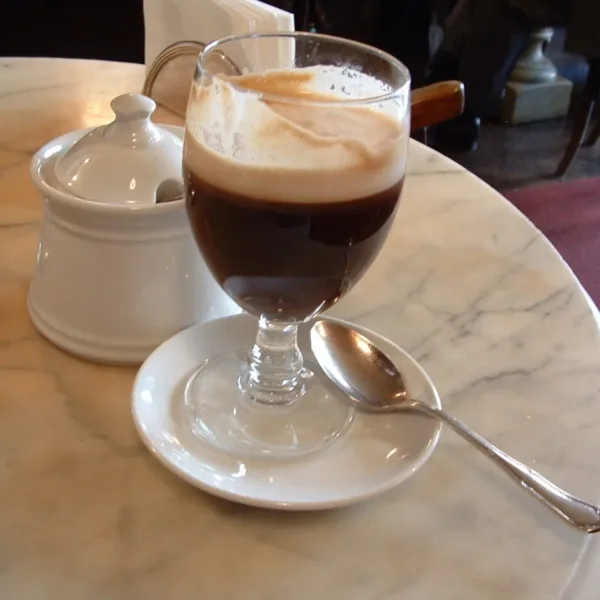
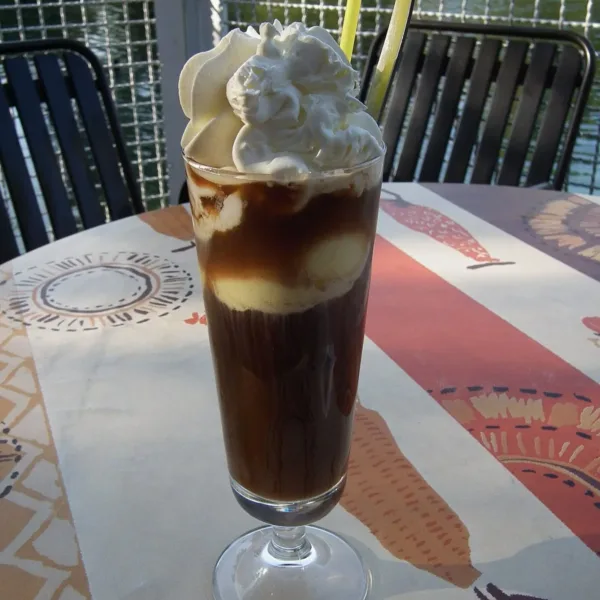
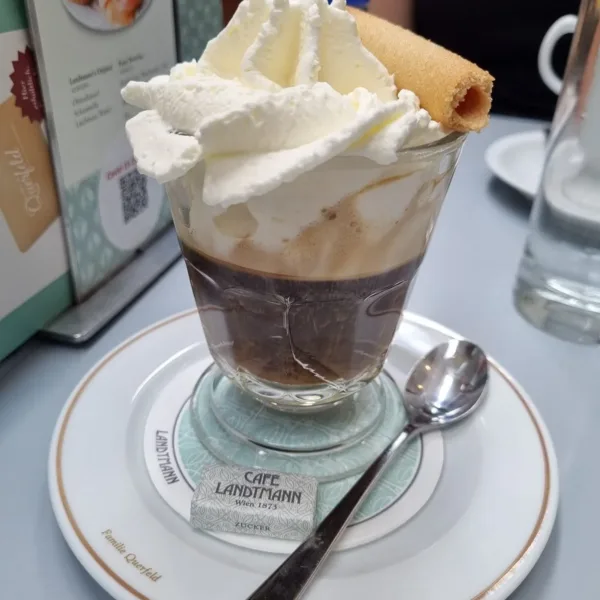
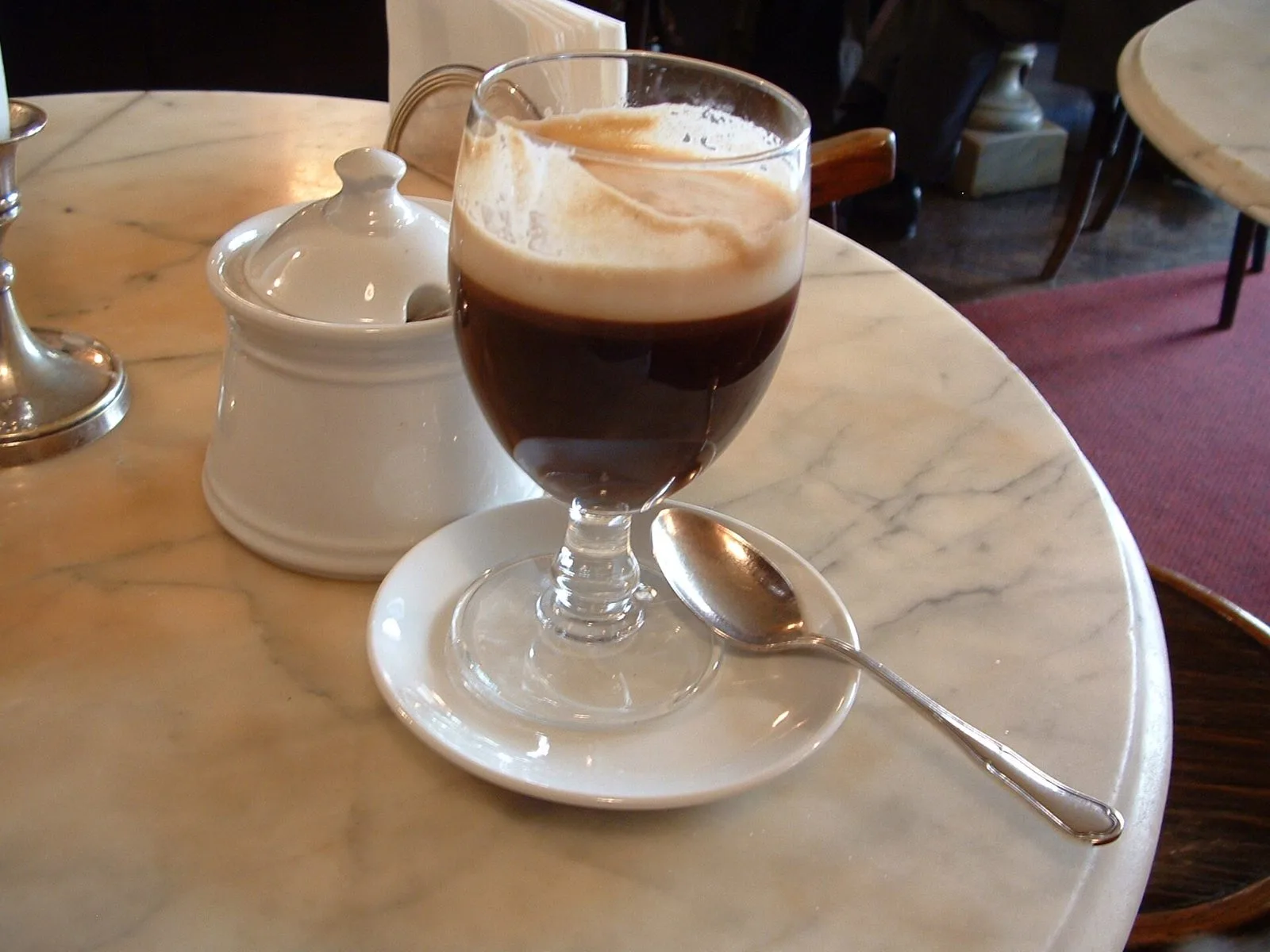
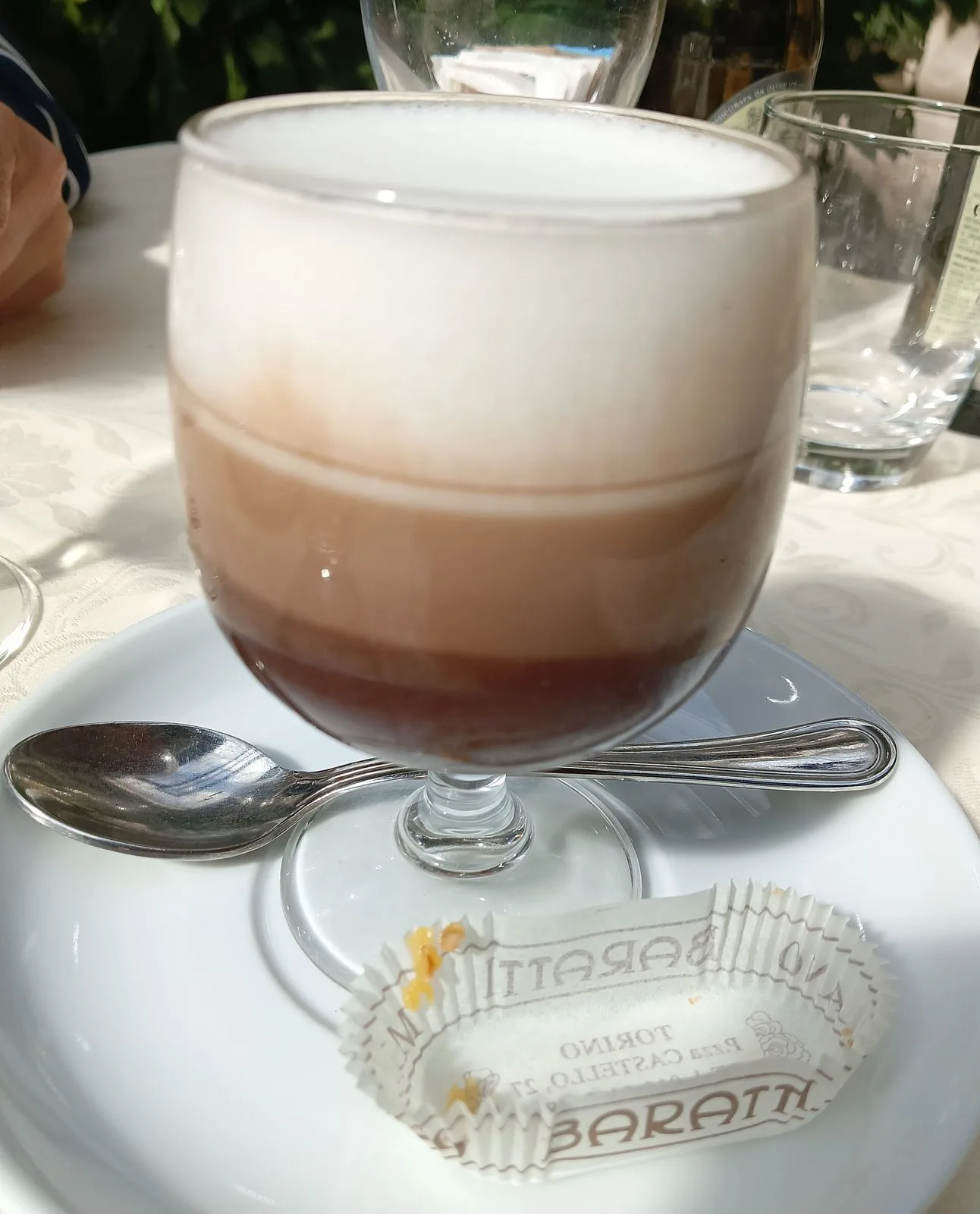
A Turin speciality since the 18th century: dense hot chocolate at the bottom, espresso in the middle and lightly whipped cream on top, served in a small stemmed glass. You drink it unstirred, so each sip passes through all three layers.
- ServedHot
- In EnglishLittle glass
- TastesChocolatey, Creamy, Rich
About Bicerin
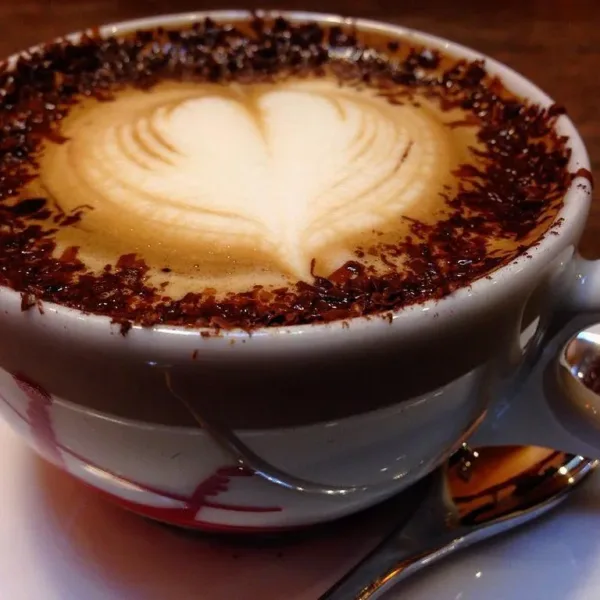
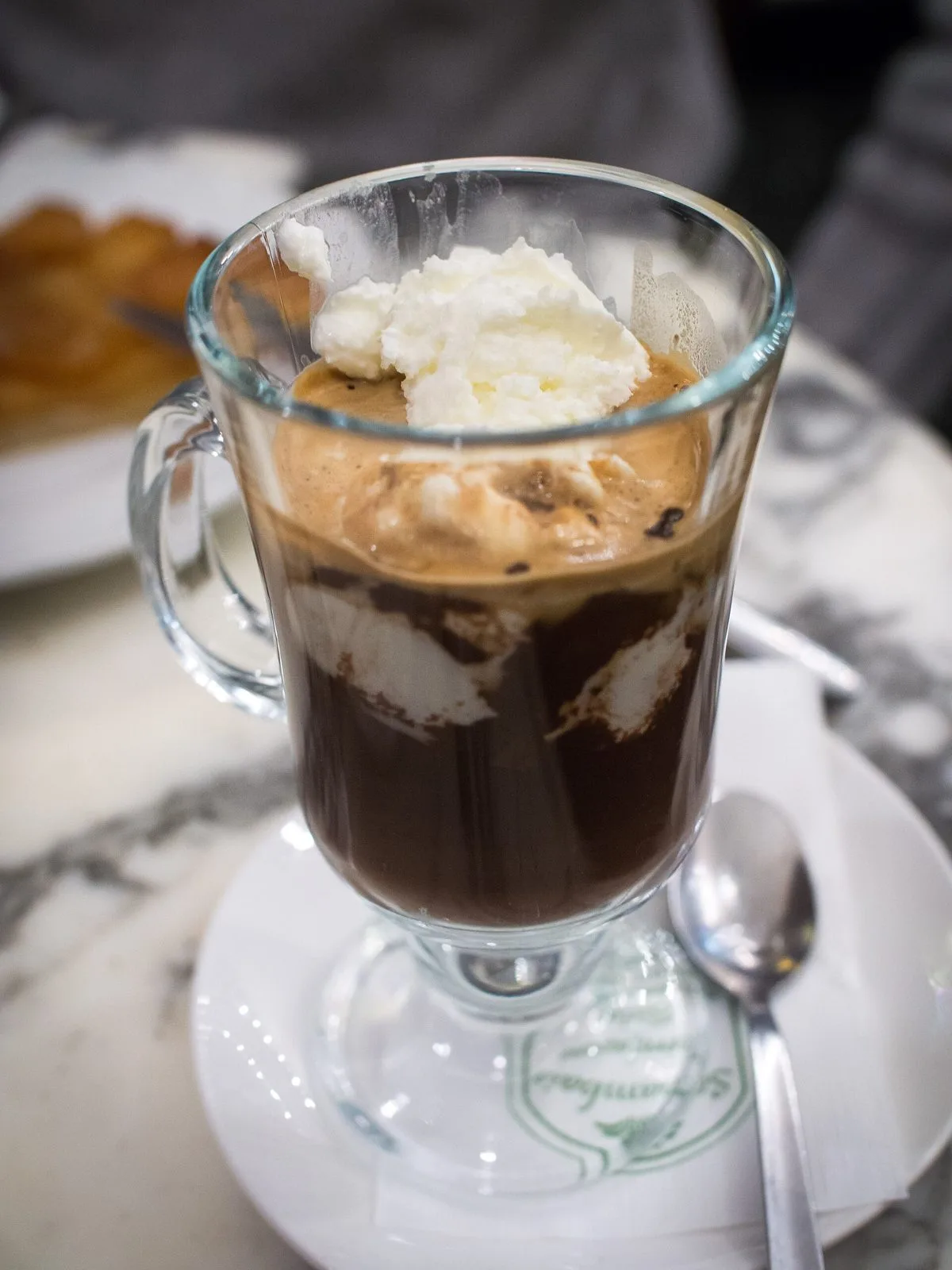
Bicerin is a hot, non-alcoholic drink from Turin made of three layers in a small glass: thick, dark hot chocolate at the bottom, espresso in the middle and cold, lightly whipped (or liquid) cream on top. The name is Piedmontese for “small glass”, from the Italian bicchierino.
The custom is not to stir it. You drink through the cool cream into the hot coffee and chocolate, so the flavours mix in your mouth – sweet, bitter and creamy at once. It is rich enough to feel like a dessert, and is traditionally served with small biscuits.
The drink is closely tied to Caffè Al Bicerin, a tiny café opposite the Santuario della Consolata, which claims the original recipe and keeps its exact proportions secret. Today it is one of Turin’s symbols and you’ll find it in historic cafés across the city, especially in winter.
In the cup
- Cream 35%
- Espresso 30%
- Hot chocolate 35%
Ingredients
- Dark chocolate, chopped (or good cocoa)≈ 25–30 g
- Whole milk (for the chocolate)≈ 50 ml
- Sugar1–2 tsp, to taste
- Freshly brewed espresso1 shot (≈ 30–40 ml)
- Cold fresh cream≈ 40–50 ml, lightly whipped or poured
How to make it
You needEspresso machine or moka pot, small saucepan, whisk, small stemmed glass, spoon
RatioRoughly equal thirds of hot chocolate, espresso and cream
-
Warm the glass with hot water.
-
Melt the chocolate with the milk and sugar over a low heat, whisking until thick and smooth.
-
Pour the hot chocolate into the glass to about one-third.
-
Brew an espresso and pour it gently over the back of a spoon onto the chocolate.
-
Lightly whip the cold cream (or leave it liquid) and float it on top the same way.
-
Serve immediately, without stirring.
Origin & history
The bicerin descends from the bavarèisa, a sweet drink of coffee, chocolate and cream that was fashionable in Turin in the 18th century and was served in large glasses. At first the three ingredients were often served separately. Three combinations were known: pur e fiur (coffee and cream), pur e barba (coffee and chocolate) and ‘n poc ‘d tut (“a bit of everything”). The last one won out and became the bicerin, served layered in a small glass.
Caffè Al Bicerin was opened in 1763 by Giuseppe Dentis, a seller of acquacedrata (citron water), opposite the entrance to the Santuario della Consolata. The café was rebuilt in 1856 to a design by the architect Carlo Promis and still has its wooden panelling, mirrors and small marble tables. It credits itself with the drink’s original recipe, which it still keeps secret.
In the 19th century the bicerin became one of Turin’s emblems. Alexandre Dumas praised it, and Cavour, Nietzsche and Puccini are often named among its admirers. Umberto Eco featured the café in his 2010 novel Il cimitero di Praga (The Prague Cemetery).
Variations
- Pur e fiurcoffee and cream, an early version (Turin, Italy)
- Pur e barbacoffee and chocolate (Turin, Italy)
- ‘N poc ‘d tut“a bit of everything”: coffee, chocolate and cream, the version that became the bicerin (Turin, Italy)
- Marocchinoa smaller cousin of espresso, milk foam and cocoa (Alessandria, Italy)
Good to know
Don't stir it – sip through the layers.
The original is Caffè Al Bicerin, Piazza della Consolata 5, Turin; it is tiny, so expect a queue at weekends.
Order it with the café's small biscuits – they're made to go with it.
Don't confuse it with Bicerin liqueur, a separate chocolate-hazelnut liqueur made in Turin.