Marocchino
Caffè marocchino (Piedmontese: maruchën) Say mah-rok-KEE-noh
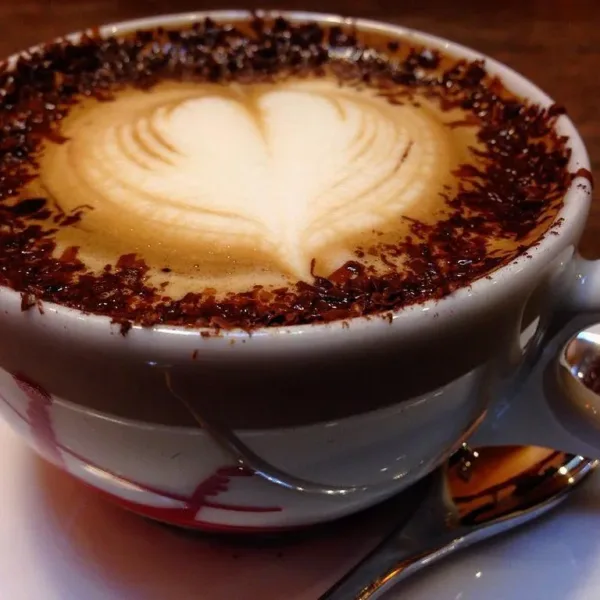
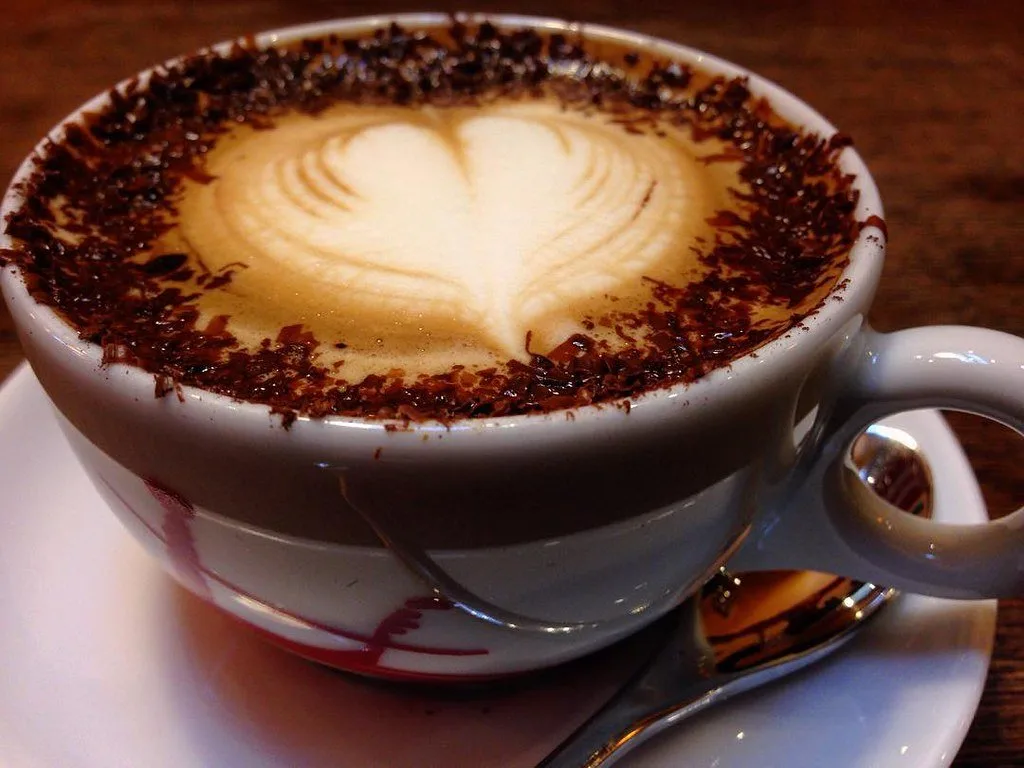
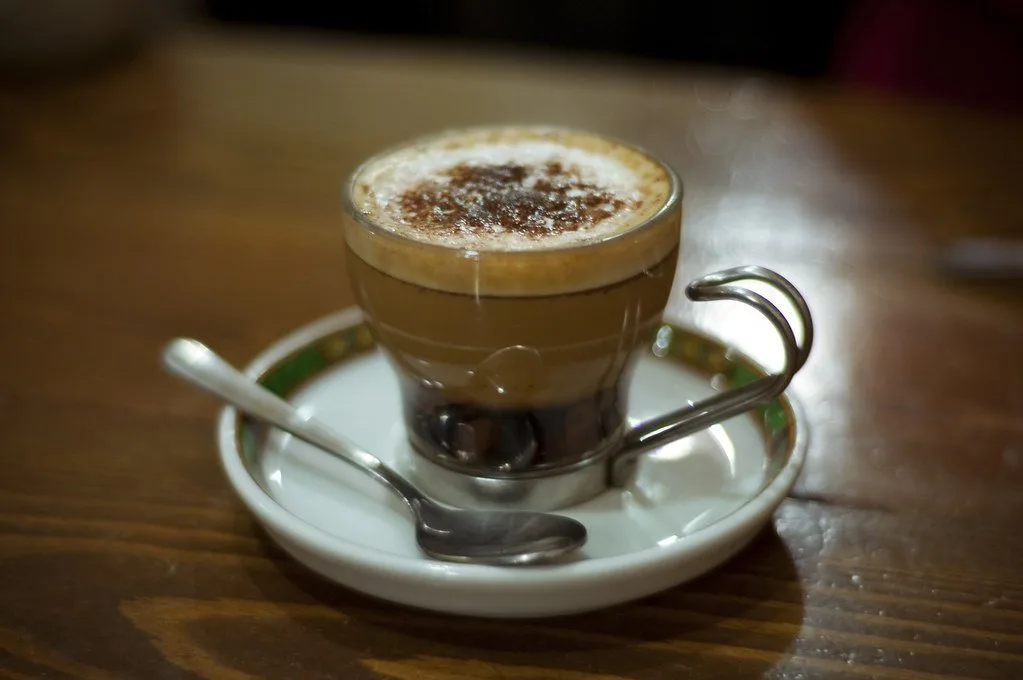
A northern Italian bar favourite: a short espresso and milk foam in a small glass dusted with cocoa inside and on top. Think of a tiny cappuccino with chocolate – strong, creamy and served in a couple of sips.
- ServedHot
- In EnglishMoroccan coffee (named after a leather colour)
- TastesBold, Chocolatey, Creamy
About Marocchino
The marocchino is a small, layered coffee from Piedmont, born in Alessandria. A small glass is dusted with cocoa powder, then filled with an espresso (often a short one) and a cap of milk foam, and finished with another dusting of cocoa. The result looks like a tiny cappuccino in a glass and tastes of strong coffee, cocoa and soft milk.
Bars like to put their own stamp on it. In parts of northern Italy a spoonful of thick hot chocolate goes in the bottom; in Alba, home of Ferrero, it is common to find Nutella. Some bars use whipped cream or a drizzle of chocolate instead of cocoa.
It is popular across northern Italy – especially Piedmont, Lombardy and Liguria – and nearly every bar there has its own version. In southern Italy a similar drink may be called espressino or vetrino.
In the cup
- Cocoa dusting 10%
- Milk foam 45%
- Espresso 35%
- Cocoa / chocolate base 10%
Ingredients
- Freshly brewed espresso or ristretto1 shot (≈ 20–25 ml)
- Whole milk≈ 50–70 ml, steamed to a thick foam
- Unsweetened cocoa powder1–2 tsp, for the glass and topping
- Nutella or thick hot chocolate (optional)1 tsp
How to make it
You needEspresso machine with steam wand (or milk frother), small glass, cocoa shaker
RatioRoughly 1 part espresso to 1–2 parts milk foam, plus cocoa
-
Dust the inside of a small glass with cocoa powder (and add a teaspoon of Nutella or hot chocolate if you like).
-
Steam the milk to a thick, creamy foam.
-
Brew a short espresso into the glass.
-
Spoon the milk foam on top.
-
Finish with a second dusting of cocoa and serve straight away.
Origin & history
The marocchino is generally said to have been created in Alessandria, Piedmont. The story usually told is that it was born in the early 20th century at the Caffè Carpano, a bar (no longer open) opposite the main entrance of the Borsalino hat factory, whose workers were regulars. According to a story passed down by the café’s owner, a worker said the drink looked like maruchën – the light-brown leather band used to finish Borsalino hats.
Other accounts agree that the name refers to the colour of light-brown marocchino (Morocco) leather, but link it to leather hair bands fashionable in the 1930s, so the exact date is uncertain. Either way, the name refers to leather, not to Morocco itself. The drink was probably inspired by Turin’s bicerin, and spread from Piedmont to bars across northern Italy.
Variations
- Marocchino with Nutellaa spoonful of Nutella in the base, typical of Alba (Piedmont, Italy)
- Marocchino with hot chocolatethick cioccolata calda in the bottom (northern Italy)
- Espressino / vetrinosimilar small coffee-cocoa-milk drinks (southern Italy)
- Bicerinthe larger Turin cousin with chocolate, coffee and cream (Turin, Italy)
Good to know
Every bar makes it differently – ask whether theirs has Nutella or hot chocolate in the bottom.
It is a counter drink: two or three sips and you're done, like an espresso.
It's a northern Italian classic; in the south try asking for an “espressino”.
Don't confuse it with a mocaccino, which is larger, uses hot chocolate and often whipped cream.