Qishr
Qishr (Arabic: قشر) Say KISH-er (also GEH-sher)
A Yemeni infusion of dried coffee-cherry husks (cascara) simmered with ginger and often cinnamon or cardamom, then sweetened. Lighter and fruitier than coffee, with a fraction of the caffeine.
- ServedHot
- In EnglishCoffee-husk drink (literally “husk” or “peel”)
- TastesFruity, Spiced, Sweet
About Qishr
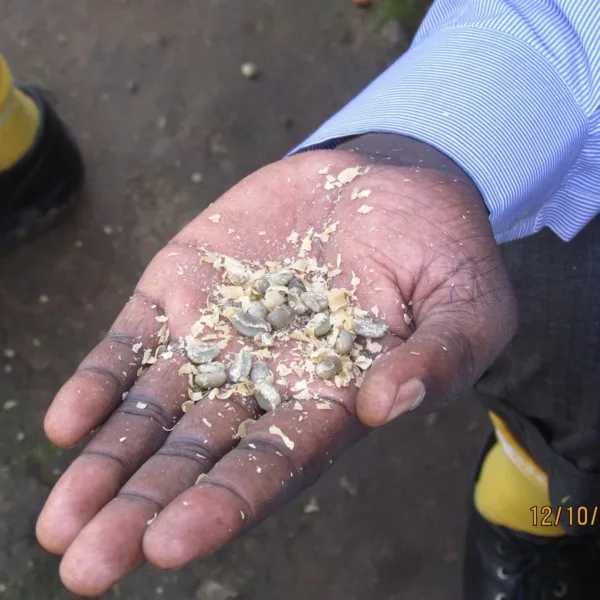
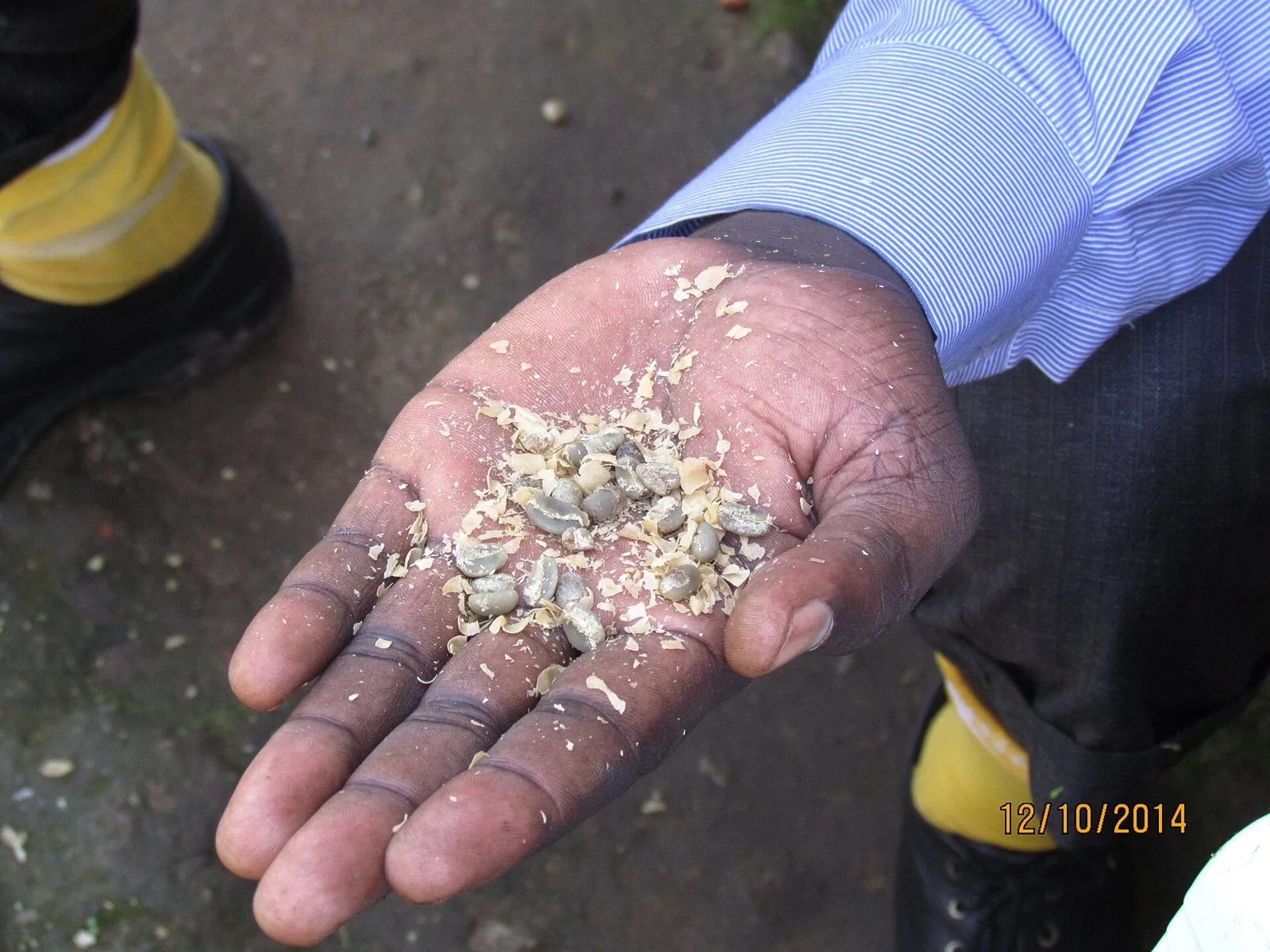
Qishr is made from the part of the coffee plant most of the world throws away: the dried husk, or skin, of the coffee cherry. In Yemen – one of the oldest coffee-growing countries – these husks are simmered with ginger, often with cinnamon and sometimes cardamom or cloves, and sweetened with sugar. The name simply means “husk” in Arabic.
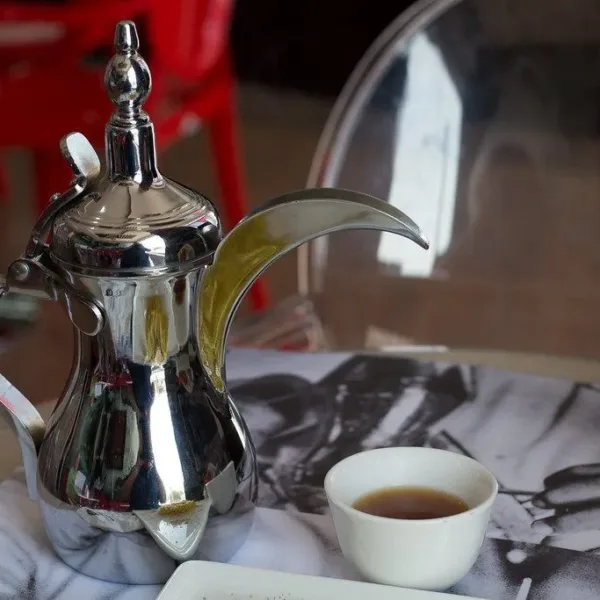
It looks like a light, reddish-brown tea rather than coffee, and tastes that way too: fruity and slightly tart from the cherry husk, warming from the ginger, with gentle sweetness. Because the husks don’t need roasting and are cheaper than beans, qishr has long been an everyday drink in Yemen, while the beans themselves were valuable exports.
Qishr is drunk throughout Yemen, especially in the afternoon, and is offered to guests as a sign of hospitality. Today the same husks are sold in speciality coffee shops worldwide as “cascara”, and Yemeni coffee houses abroad have helped introduce qishr to new audiences.
In the cup
- Spiced coffee-husk infusion 100%
Ingredients
- Dried coffee-cherry husks (cascara), crushed2 tbsp
- Ground ginger (or 1 tbsp fresh grated)1 tsp
- Ground cinnamon or a small cinnamon stick (optional)¼ tsp
- Crushed cardamom or cloves (optional)a pinch
- Water≈ 240 ml
- Sugar or honey1–3 tsp, to taste
How to make it
You needSmall saucepan or ibrik, fine sieve or filter, small cups
RatioAbout 2 tbsp of crushed husks and 1 tsp ground ginger per 240 ml water
-
Bring the water to the boil in a small pot or ibrik.
-
Take it off the heat and add the husks, ginger, any other spices and the sugar.
-
Return it to the heat and bring back to a gentle boil, then take it off the heat.
-
Cover and leave to steep for about 5 minutes – longer for a stronger drink.
-
Strain into small cups and serve hot.
Origin & history
Yemen is one of the first places where coffee was cultivated, and coffee drinking spread in the 15th century among Sufi communities there. Early coffee drinks in Yemen are thought to have been made from the fruit and husks as well as the seeds, and the word qishr was also used for an early drink made from coffee-cherry pulp.
Over time qishr came to mean the spiced husk infusion drunk today. It became a staple partly for practical reasons: the husks needed no roasting and were cheap, while the beans were valuable for export through ports such as Mocha. Travellers to Yemen in the 19th and 20th centuries described qishr being offered to guests, a custom of hospitality that continues.
Exact dates for when ginger became the standard addition are not documented, and some popular accounts’ claims about precise origins should be treated with caution.
Variations
- Qishr with cardamom and cinnamona more heavily spiced version (Yemen)
- Cascara teacoffee-cherry husks steeped plainly, sold by speciality coffee roasters (worldwide)
- Qishr tea bagsready-mixed husks and spices sold by Yemeni-American brands (USA)
- Café Toubaa different spiced coffee, made from beans roasted with grains of Selim (Senegal)
Good to know
It isn't brewed from beans, so don't expect a coffee kick – it's closer to a spiced fruit tea.
Outside Yemen look for “cascara” at speciality coffee shops – the same coffee-cherry husks.
Simmer, don't boil hard: a gentle simmer extracts the fruitiness without making it harsh.
Fresh ginger gives a brighter, sharper flavour than ground ginger.