Café Liégeois
Café liégeois Say kah-FAY lee-ay-ZHWAH
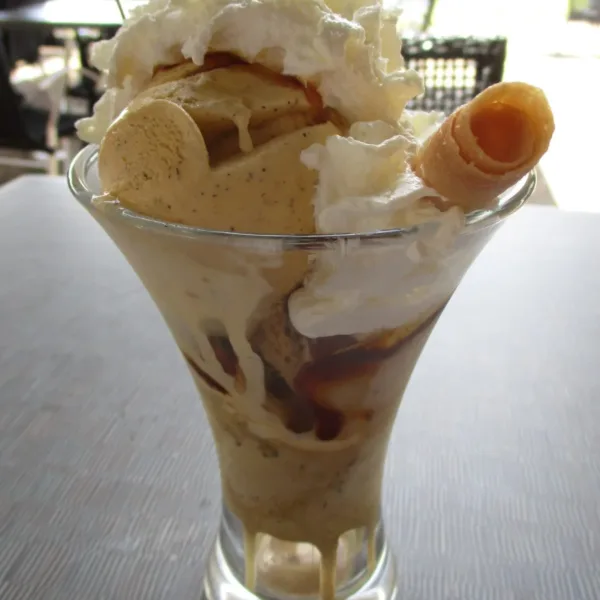
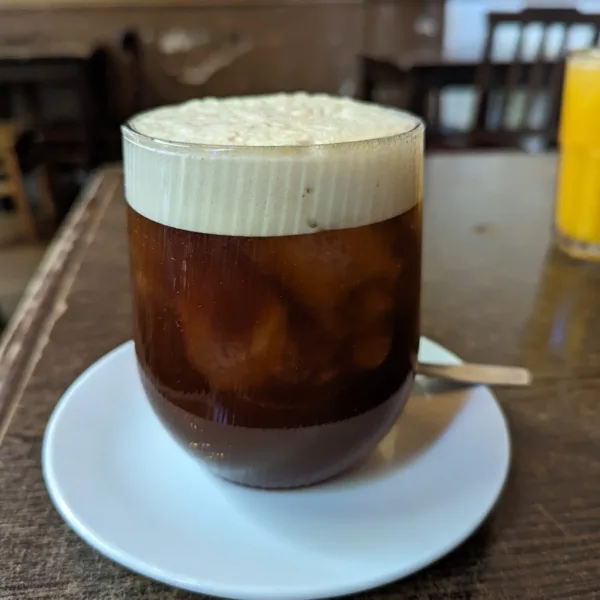
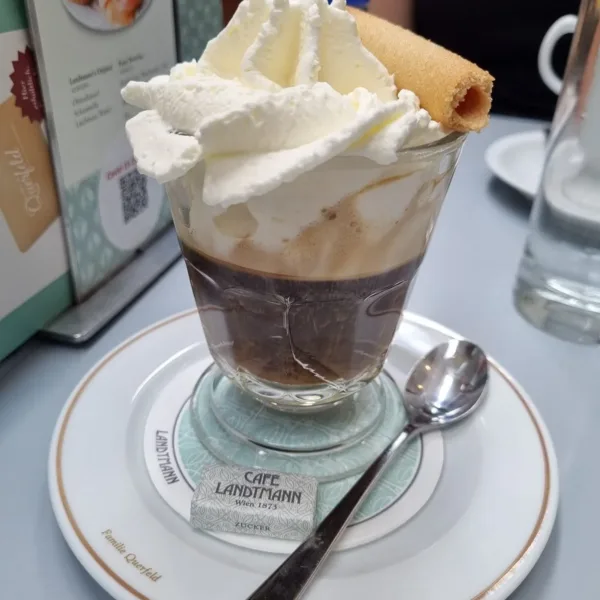
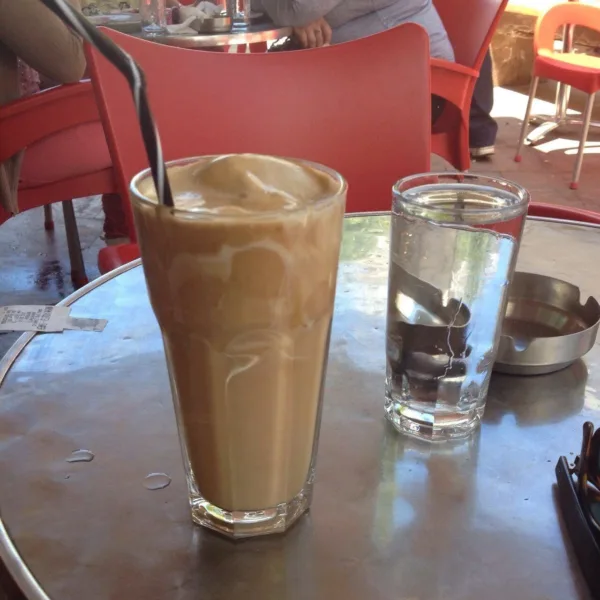
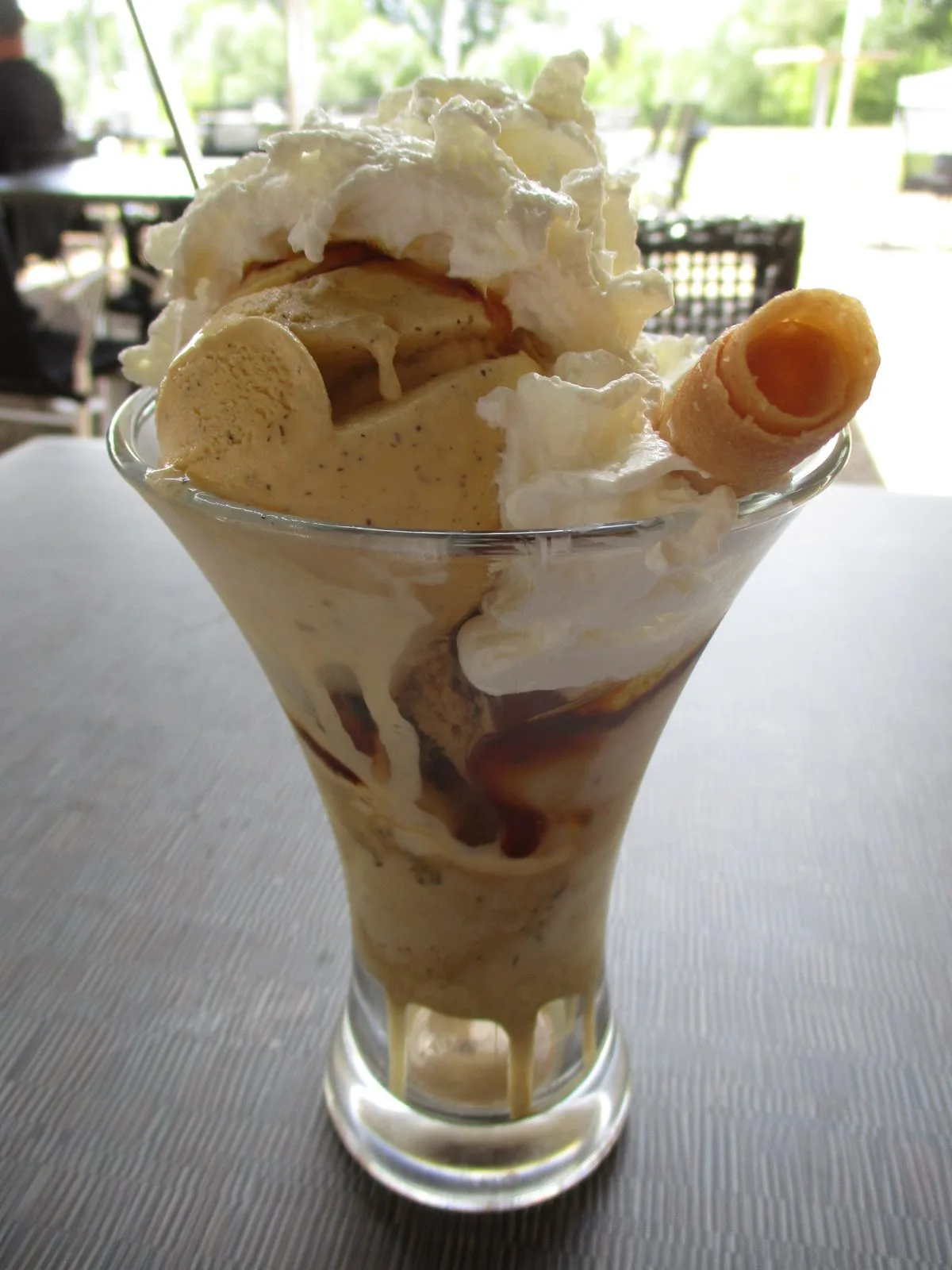
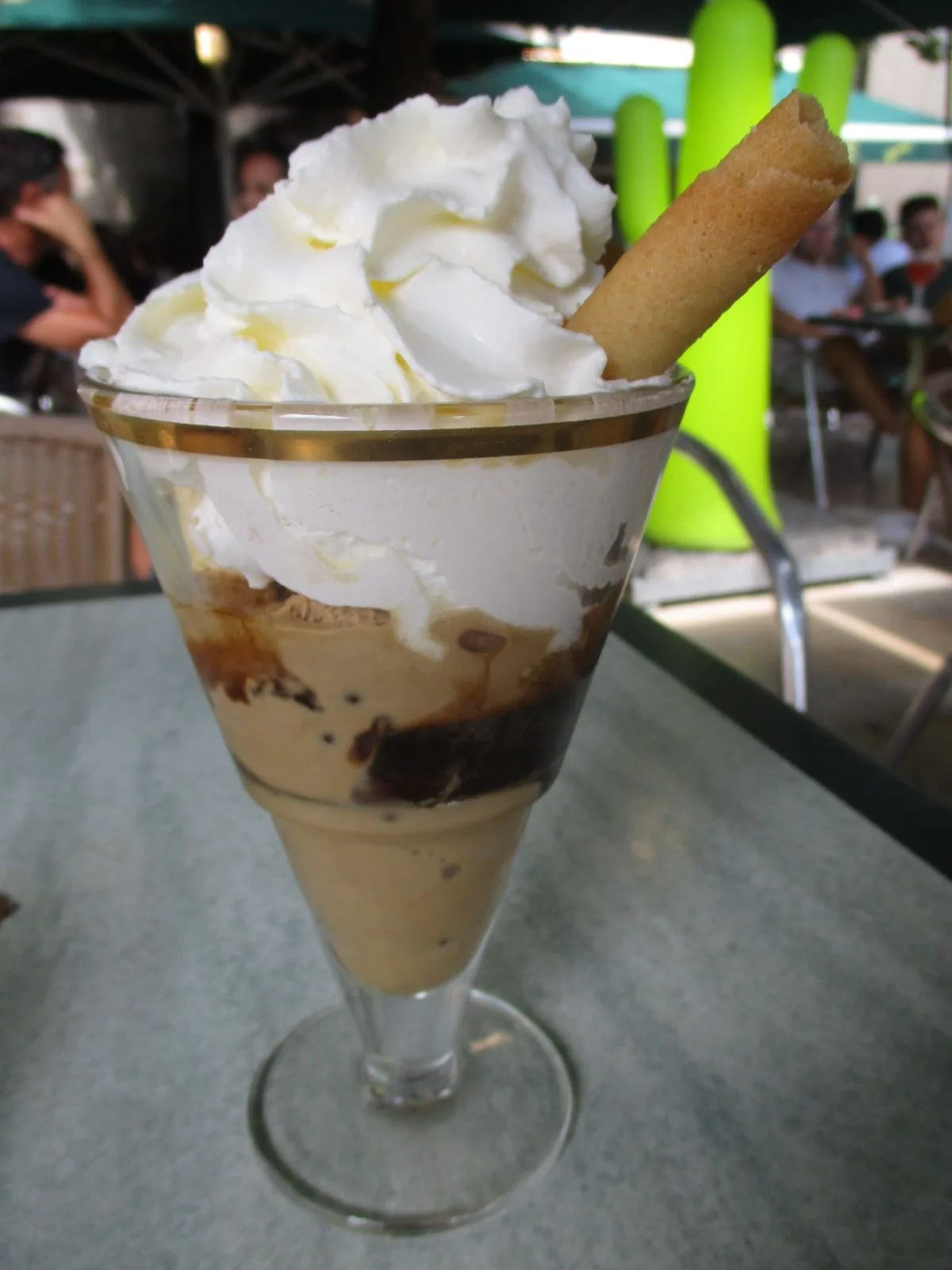
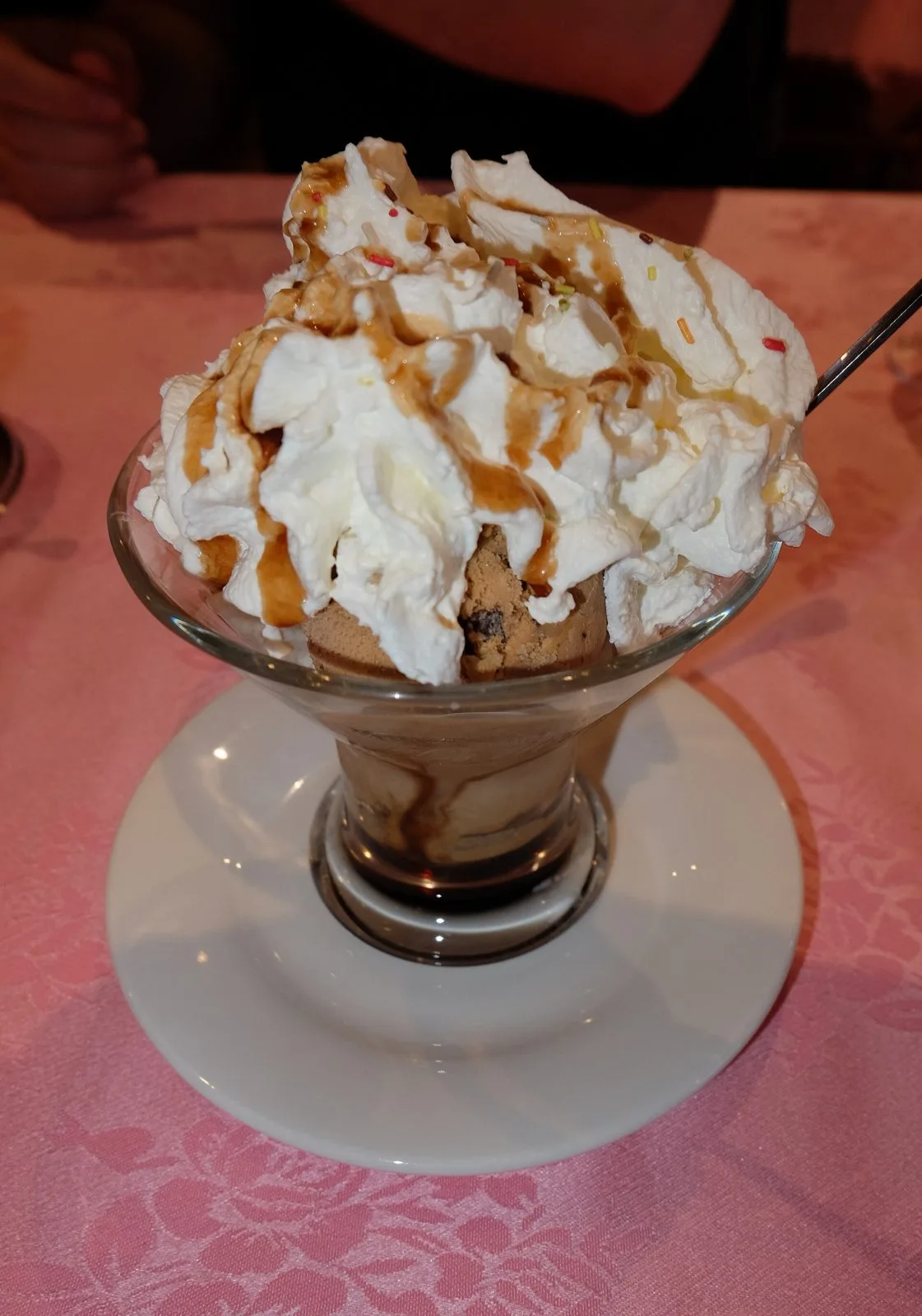
A cold dessert-drink of lightly sweetened chilled coffee with coffee ice cream, topped with Chantilly cream and often crushed roasted coffee beans. Served in a tall glass with a long spoon.
- ServedIced
- In EnglishLiège-style coffee (iced coffee dessert)
- TastesCreamy, Rich, Sweet
About Café Liégeois
Café liégeois is a dessert you eat with a spoon and finish with a straw. A tall glass is filled with strong, lightly sweetened coffee that has been chilled; one or two scoops of coffee ice cream are added, and the glass is crowned with sweetened whipped cream (crème Chantilly), often sprinkled with crushed roasted coffee beans.
It tastes like the best of iced coffee and a sundae: cold, bitter-sweet coffee, creamy ice cream that slowly melts into it, and soft, airy cream on top. It’s a fixture on French café and brasserie dessert menus, especially in summer, and is also found in Belgium.
Despite the name, it wasn’t invented in Liège: it was a Parisian café viennois renamed in 1914. Liège has adopted it all the same, with a “Genuine Café Liégeois” label and a local recipe in which the coffee, milk and cream are churned until semi-frozen.
In the cup
- Chantilly cream 35%
- Coffee ice cream 25%
- Chilled sweetened coffee 40%
Ingredients
- Strong coffee or espresso, chilled≈ 100–150 ml
- Sugar1–2 tsp
- Coffee ice cream1–2 scoops
- Whipping cream≈ 50–80 ml
- Icing sugar (for the Chantilly)1 tsp
- Crushed roasted coffee beans (optional)a pinch
How to make it
You needCoffee maker or espresso machine, tall glass, ice-cream scoop, whisk or piping bag, long spoon and straw
RatioRoughly 2 parts chilled coffee : 1–2 scoops ice cream : a generous cap of whipped cream
-
Brew strong coffee, stir in the sugar while hot and leave it to cool, then chill it in the fridge.
-
Chill a tall glass.
-
Whip the cream with the icing sugar until it holds soft peaks.
-
Pour the cold coffee into the glass and add one or two scoops of coffee ice cream.
-
Top generously with the Chantilly cream, sprinkle with crushed coffee beans and serve with a long spoon and a straw.
Origin & history
The dessert was originally known in Paris as café viennois – “Viennese coffee” – a name that suggested luxury. In August 1914, the Belgian city of Liège held out against the invading German army for around twelve days, giving France valuable time; France later awarded the city the Légion d’honneur. With anti-German and anti-Austrian feeling running high, Parisian cafés renamed the dessert café liégeois in the city’s honour.
Recipes for iced coffee desserts already existed – Auguste Escoffier’s Guide Culinaire of 1907 includes an iced coffee churned in an ice-cream maker – and the 1938 Larousse Gastronomique uses the name café liégeois for iced coffee topped with whipped cream. The modern version, with coffee ice cream and Chantilly in a tall glass, became a French café classic over the 20th century.
There is no single historical recipe. In Liège, the tourist office and the city’s hospitality school run a competition for the best café liégeois and award a “Genuine Café Liégeois” label.
Variations
- Chocolat liégeoisthe same dessert with chocolate and chocolate ice cream (France)
- Genuine Café LiégeoisLiège’s own version, churned until semi-frozen and topped with cream (Belgium)
- Café viennoisin France, a hot coffee topped with whipped cream (France)
- Affogatoa scoop of ice cream “drowned” in hot espresso (Italy)
Good to know
Look for it on the dessert or ice-cream (coupes glacées) menu rather than the coffee list.
Don't confuse it with café viennois, which in France is a hot coffee with whipped cream.
Chill the coffee completely before assembling, or the ice cream melts too fast.
In Liège, look for cafés displaying the “Genuine Café Liégeois” label.