Café Touba
Say kah-FAY TOO-bah
A filtered black coffee from Senegal, made from beans roasted and ground together with djar (grains of Selim) and often cloves. Sweetened with sugar, aerated by pouring and sold cheaply from street kiosks.
- ServedHot
- In EnglishTouba coffee (spiced coffee from Touba)
- TastesBold, Spiced, Sweet

About Café Touba
Café Touba is Senegal’s own coffee, named after the holy city of Touba. What makes it different is djar – the Wolof name for grains of Selim, the dried, peppery pods of the Xylopia aethiopica tree. The pods (and often a few cloves) are roasted together with the coffee beans and ground into one powder, roughly four parts coffee to one part spice.
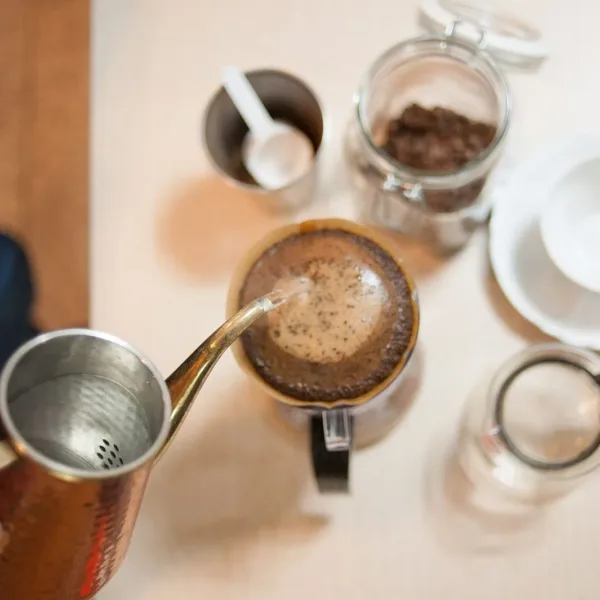
The powder goes into a cloth or paper filter and boiling water is poured through it, sometimes more than once. Vendors then sweeten it generously and pour it back and forth between cups or from a ladle to cool and froth it. It is drunk black – no milk – and tastes peppery, slightly smoky and bitter-sweet, with a lingering warmth; one writer compared it to Turkish coffee crossed with cola.
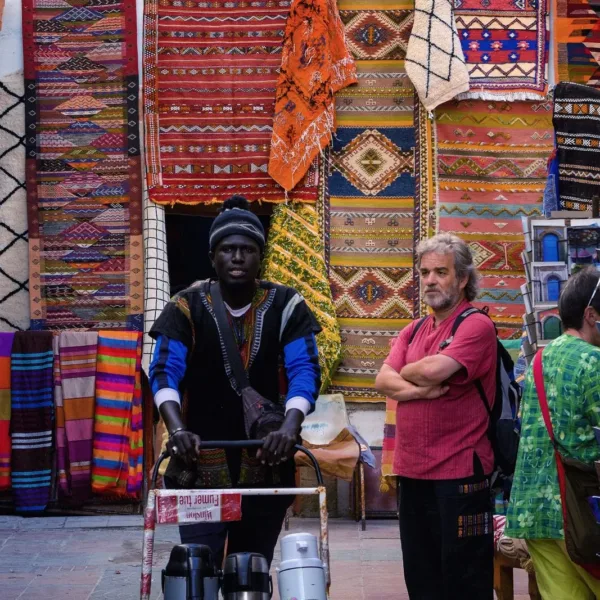
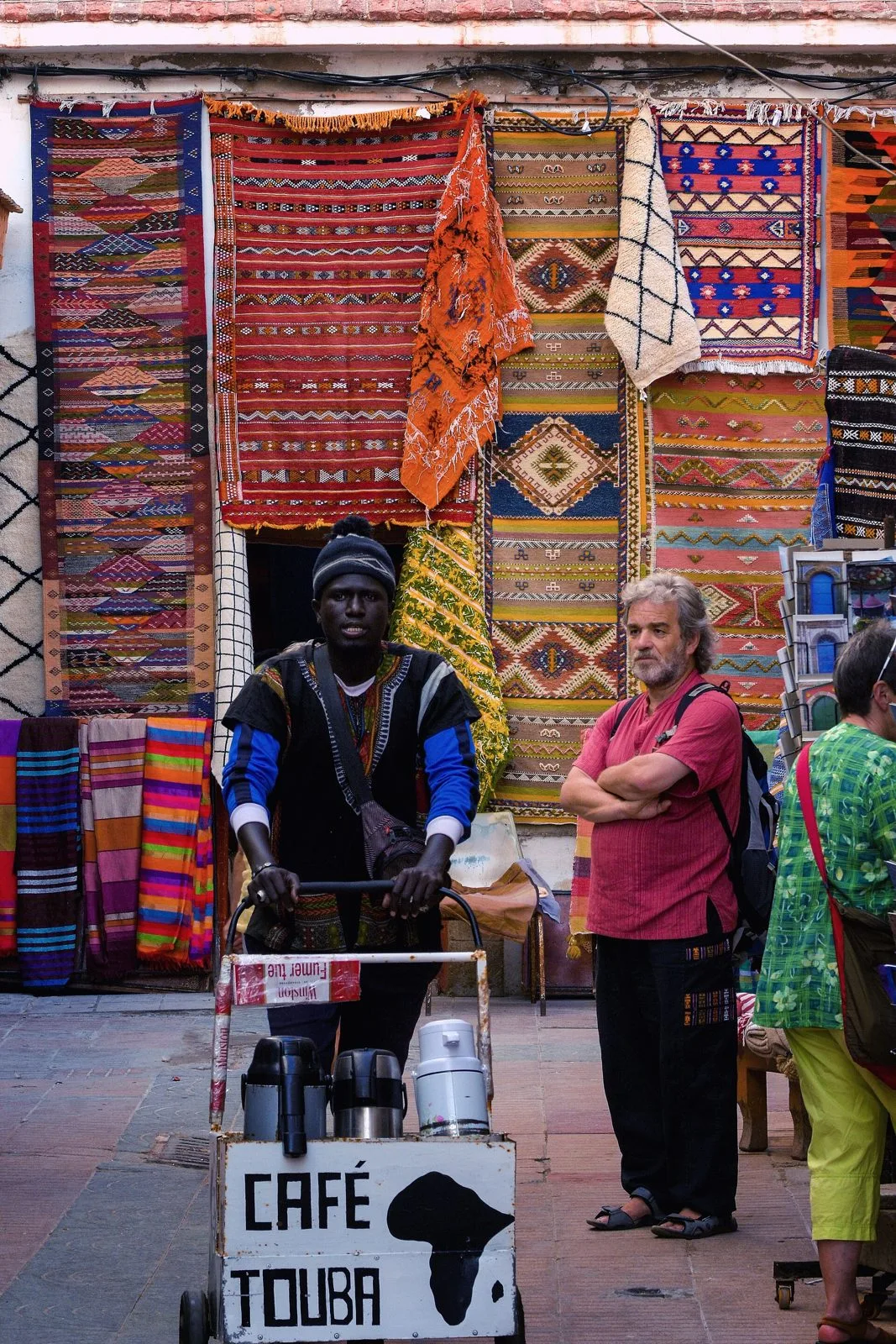
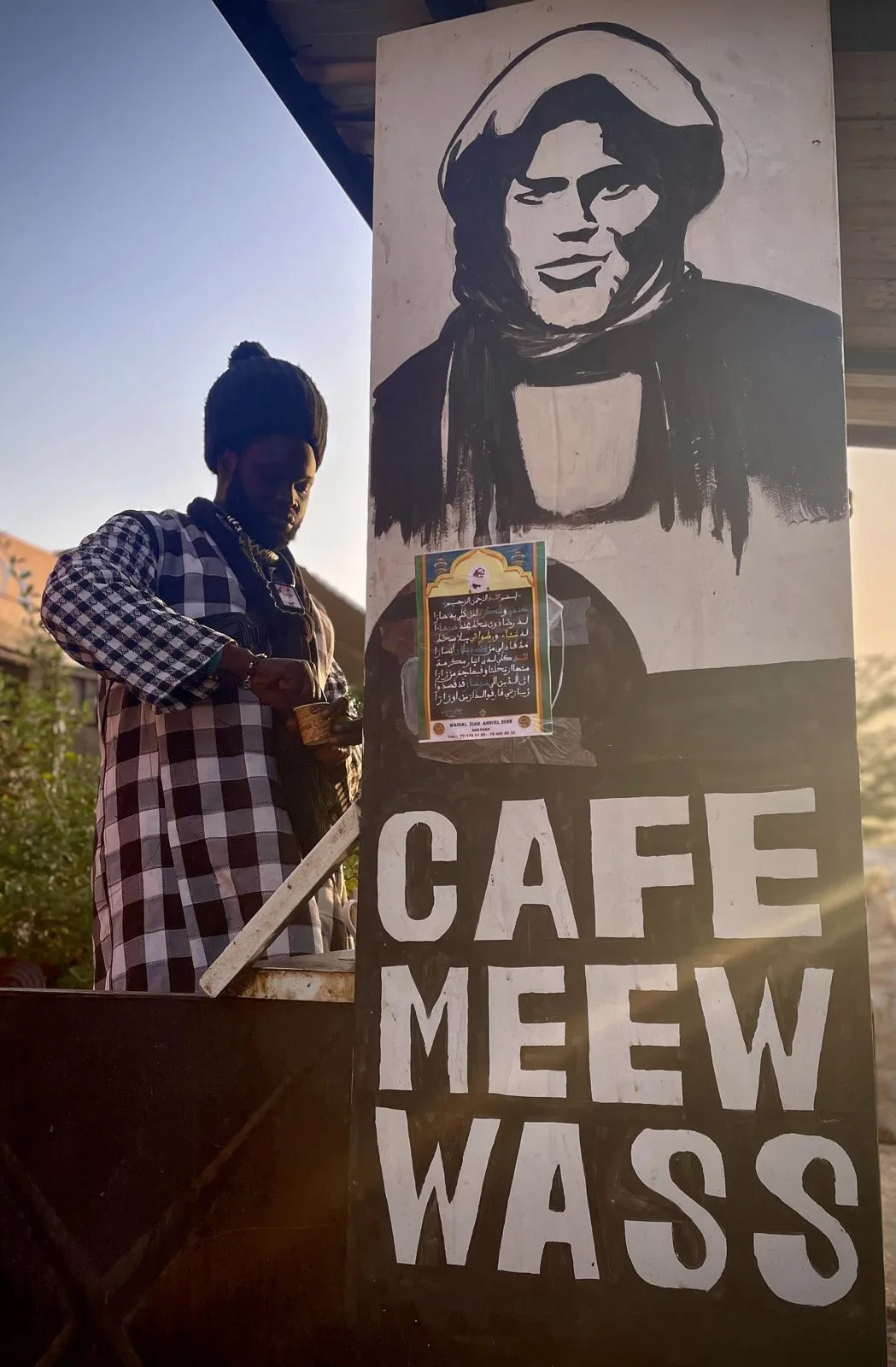
You’ll find it everywhere in Dakar and beyond: in pots and kettles at small street kiosks called tanganas, in markets, at bus stations and at religious gatherings, sold in small cups for very little money. It is also hugely popular in neighbouring Guinea-Bissau.
In the cup
- Froth from pouring 10%
- Spiced filter coffee 90%
Ingredients
- Coffee beans (often Robusta)≈ 80 g
- Djar (grains of Selim pods)≈ 20 g
- Whole cloves (optional)3–5
- Boiling water≈ 500 ml
- Sugarto taste – traditionally generous
How to make it
You needFrying pan or roasting pan, grinder or mortar and pestle, cloth or paper filter, kettle, two cups or a ladle for pouring
RatioAbout 80:20 coffee to djar by weight in the spiced powder; roughly 1 heaped tbsp of powder per 100–120 ml water
-
If roasting yourself, dry-roast the coffee beans with the djar pods and cloves in a heavy pan, stirring constantly, until dark and fragrant.
-
Leave to cool, then grind everything together to a medium powder.
-
Put the powder in a cloth or paper filter over a pot and slowly pour boiling water through it; for a stronger brew, pour the coffee through the grounds a second time.
-
Stir in sugar to taste.
-
Pour the coffee back and forth between two cups (or from a ladle) a few times to cool and froth it, then serve.
Origin & history
Café Touba is closely tied to the Mouride brotherhood, the Sufi order founded by Sheikh Amadou Bamba Mbacké, who founded the city of Touba in 1887. Bamba was exiled by the French colonial authorities to Gabon; according to the usual account, he came across grains of Selim there and, on returning to Senegal in the early 1900s, brought back the habit of roasting them with coffee. Sources differ on the exact year of his return and the details of the story, so it is best treated as tradition.
For Mourides the drink carries religious meaning and is associated with baraka (blessing). It was drunk to stay alert during long night-time chanting sessions, and it is still served at ceremonies, commemorations and the Grand Magal of Touba, the annual pilgrimage that marks Bamba’s exile.
Over recent decades café Touba spread from religious circles to everyday street life across Senegal and among people of all faiths. A World Bank report noted that after the late-2000s economic crisis many families, including children, began drinking it at breakfast. Its popularity even cut into sales of instant coffee in West Africa.
Variations
- Ready-ground café Toubapre-mixed spiced coffee powder sold in bags in markets (Senegal)
- Café Touba in Guinea-Bissauwhere it has become the most popular drink (Guinea-Bissau)
- Spiced instant coffeeNestlé launched Nescafé Ginger & Spice in West Africa in response to café Touba’s popularity (West Africa)
- Qishra different spiced coffee drink, made from coffee husks and ginger (Yemen)
Good to know
Look for the tanganas – small roadside kiosks and stands – rather than cafés; that's where café Touba is at its most authentic and cheapest.
It usually comes sweetened. Ask before it's poured if you want less sugar.
Ready-ground café Touba is sold in bags in Senegalese markets – an easy souvenir to brew at home with a filter.
During the Grand Magal pilgrimage in Touba it is served in enormous quantities; expect crowds but plenty of coffee.