Espresso Tonic
Kaffe & tonic (Swedish) Say es-PRESS-oh TON-ik
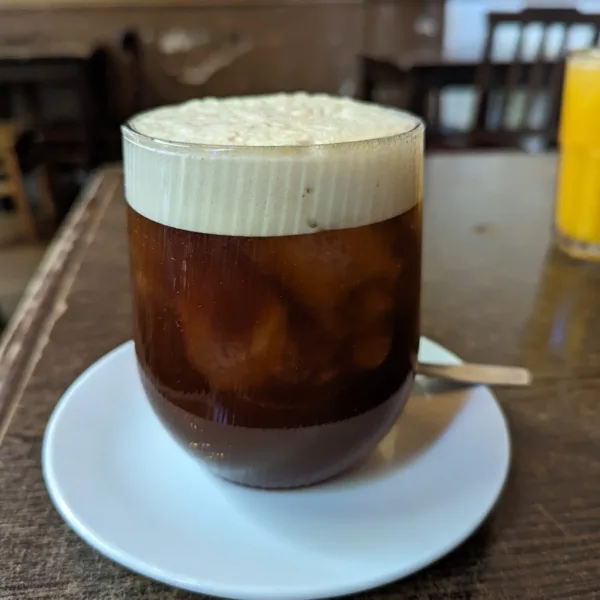
Tonic water poured over plenty of ice with a shot of espresso floated on top. Non-alcoholic, sparkling and refreshing: the tonic's quinine bitterness and sweetness meet the espresso's acidity and fruit.
- ServedIced
- In EnglishEspresso and tonic
- TastesBitter, Bright, Fruity
About Espresso Tonic
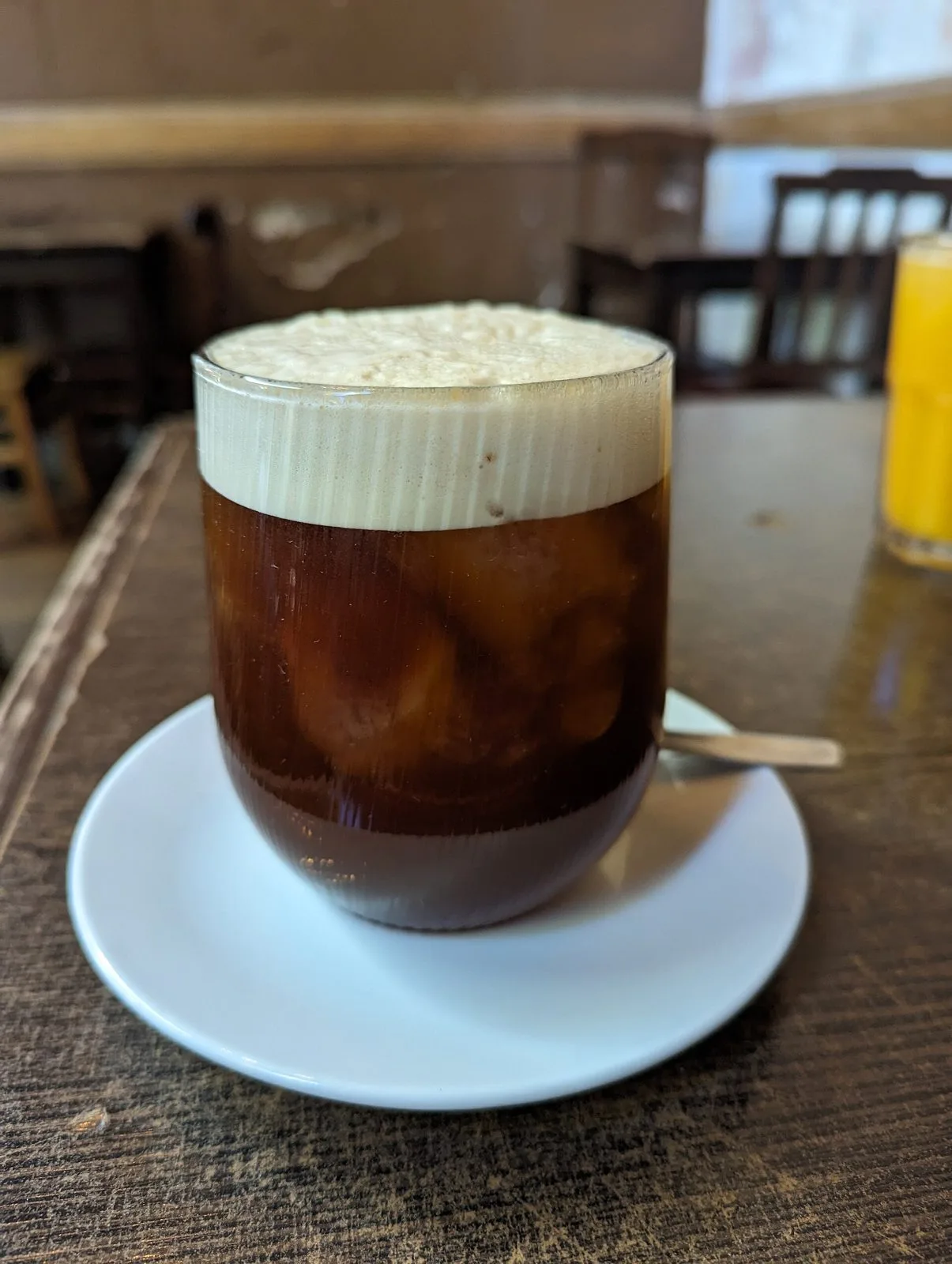
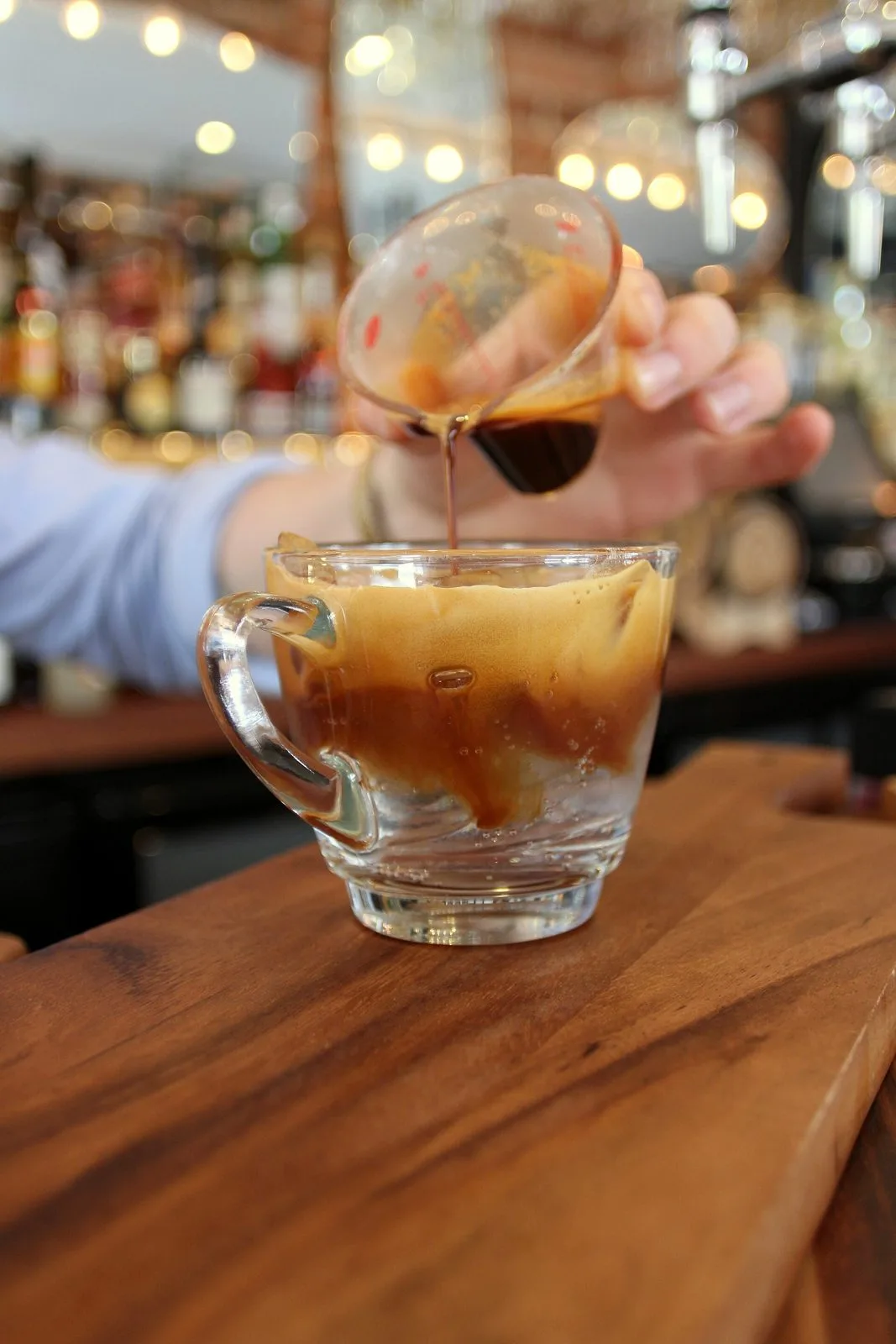
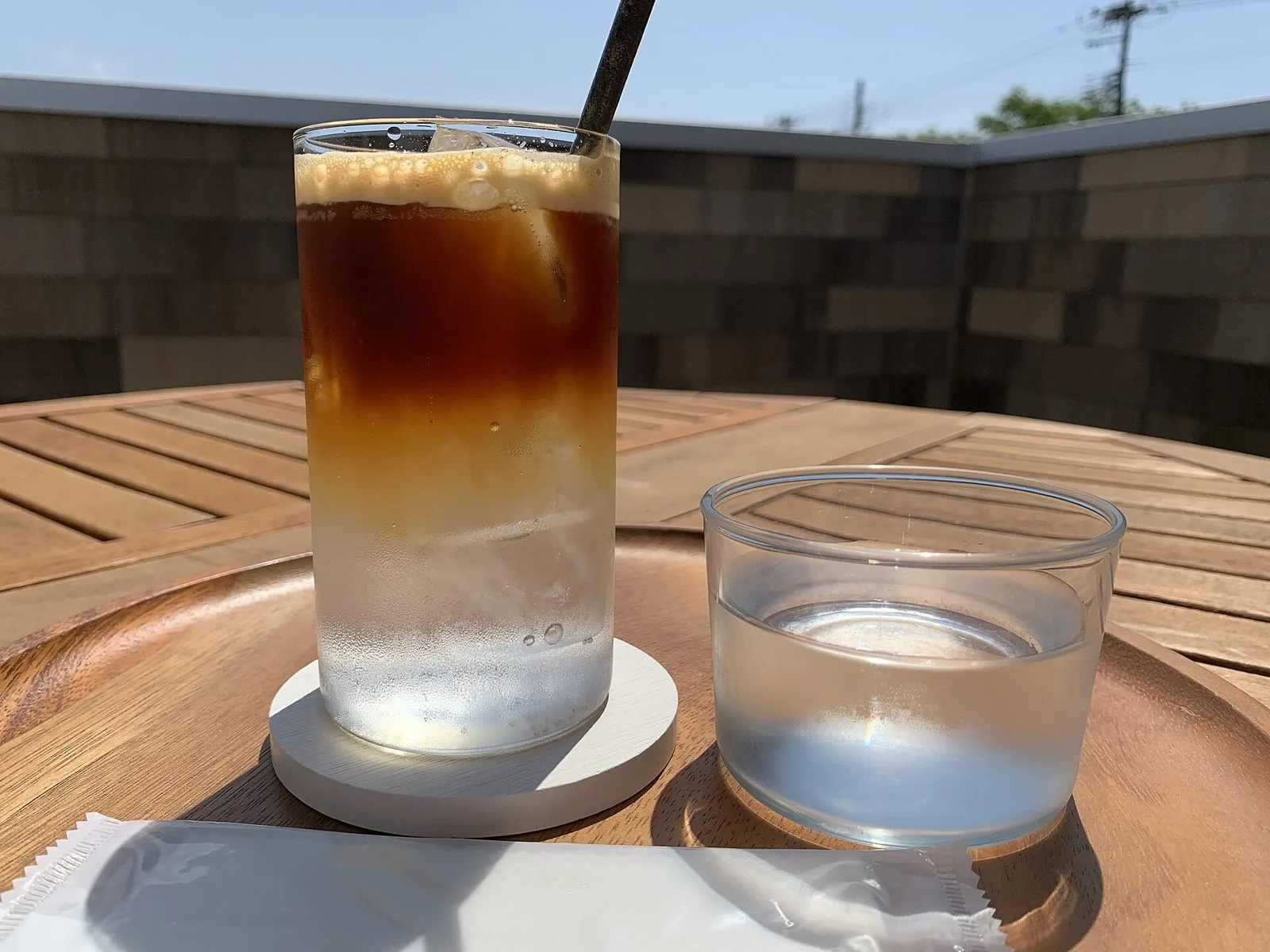
An espresso tonic is exactly what it sounds like: a glass packed with ice, filled most of the way with tonic water, and finished with a shot (often a double) of espresso poured gently on top. Poured slowly, the espresso sits in a dark band over the clear, fizzy tonic, so the drink looks almost like a cocktail. It contains no alcohol.
The flavour is a surprise to many people: bitter, sweet and sparkling at once, with the coffee tasting brighter and fruitier than usual. That is why baristas prefer light-to-medium roasted, naturally acidic coffees – Ethiopian and Kenyan beans are favourites – and fresher, citrusy tonics. A slice of lemon or lime is a common garnish.
The drink came out of Scandinavia’s speciality coffee scene and spread through barista competitions to North America, Japan and beyond. Today it’s a summer fixture on many speciality café menus and some chains.
In the cup
- Espresso 30%
- Tonic water over ice 70%
Ingredients
- Freshly pulled espressosingle or double (≈ 30–50 ml)
- Chilled tonic water≈ 150–200 ml
- Ice cubesto fill the glass
- Lemon or lime slice (optional)1
How to make it
You needEspresso machine, tall glass, spoon (optional, for layering)
Ratio≈ 1 part espresso to 3–6 parts tonic (for example 30–50 ml espresso to 150–200 ml tonic)
-
Fill a tall glass to the top with ice.
-
Pour in chilled tonic water, leaving room for the espresso.
-
Pull the espresso.
-
Pour the espresso slowly over the tonic – over the back of a spoon if you want a clean layer.
-
Add a citrus slice if you like and serve straight away.
Origin & history
Tonic water and espresso both date from the 19th and early 20th centuries, but nobody seems to have put them together until the 2000s. The earliest known record comes from Oslo in 2007: a barista working with Anne (also spelled Anna) Lunell and Charles Nystrand reportedly mixed leftover tonic, a little syrup and espresso the day after a staff party.
Lunell and Nystrand refined the idea and later that year put it on the menu of their new café and roastery, Koppi, in Helsingborg, Sweden, as “Kaffe & Tonic”. It became the café’s best-selling iced drink and spread across Scandinavia.
In the 2010s the drink reached North America through barista competitions, where it was popular as a signature drink, and by around 2015 it had reached Japan. In 2019 the British chain Caffè Nero launched versions with Fever-Tree tonic, taking it to the high street.
Variations
- Cold brew toniccold brew instead of espresso, smoother but without the crema (worldwide)
- Flavoured espresso tonicwith cherry, lime, honey or other syrups, an addition credited to Japanese baristas (Japan)
- Citrus espresso tonicgarnished with lemon or lime slices or berries (worldwide)
Good to know
Use far more ice than you think – a glass filled to the rim keeps it cold and lively.
Pour the espresso slowly (some baristas pour it over a spoon) to keep the layers and avoid foaming over.
Fruity, light-roasted coffees work better than dark, chocolatey blends.
Drink it soon after it's made, before the tonic loses its fizz.
Try a lemon or lime slice, or a dash of syrup if you find it too bitter.