Cortadito
Say kor-tah-DEE-toh
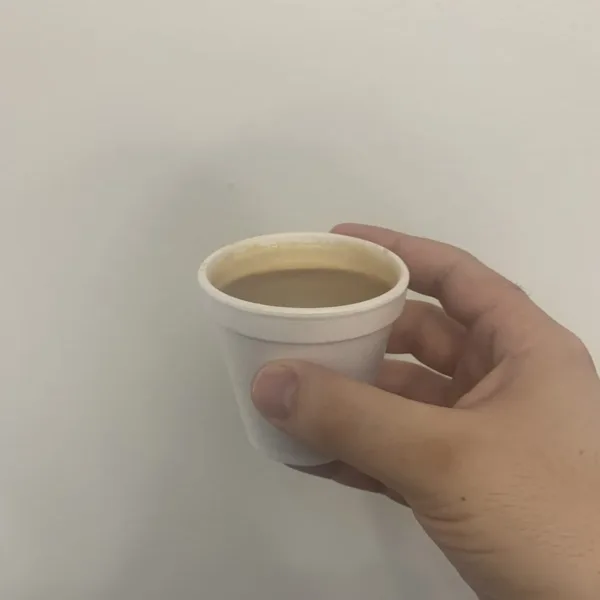
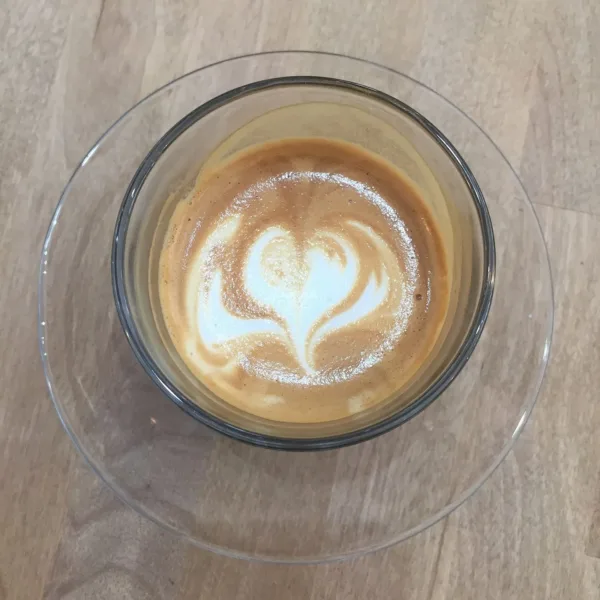
A small Cuban coffee: dark espresso sweetened with sugar whipped into an espumita (sugar foam), then topped with about the same amount of steamed or evaporated milk. Sweet, strong and served in a small cup.
- ServedHot
- In EnglishLittle cut (a small cortado)
- TastesBold, Creamy, Sweet
About Cortadito
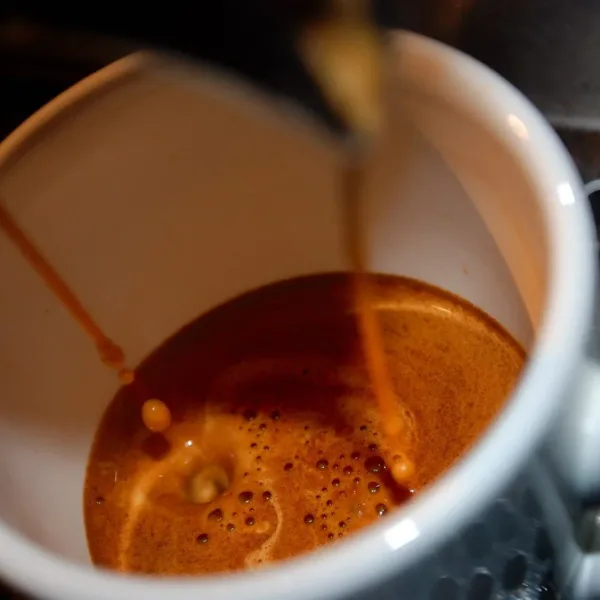
The cortadito is the Cuban take on the Spanish cortado – espresso “cut” with milk – but sweetened, Cuban-style. It starts with café Cubano: dark-roast coffee brewed strong in an espresso machine or stovetop cafetera. The first concentrated drops are whipped hard with sugar into a pale, caramel-coloured paste called espumita, and the rest of the coffee is stirred in, leaving a light foam on top.
Then comes the milk: steamed or warmed milk, usually in roughly equal measure to the coffee (some places use more coffee, some a little more milk). Many Miami cafés use evaporated milk, which makes it richer. The result is small, sweet, strong and creamy – sweeter and bolder than a European cortado.
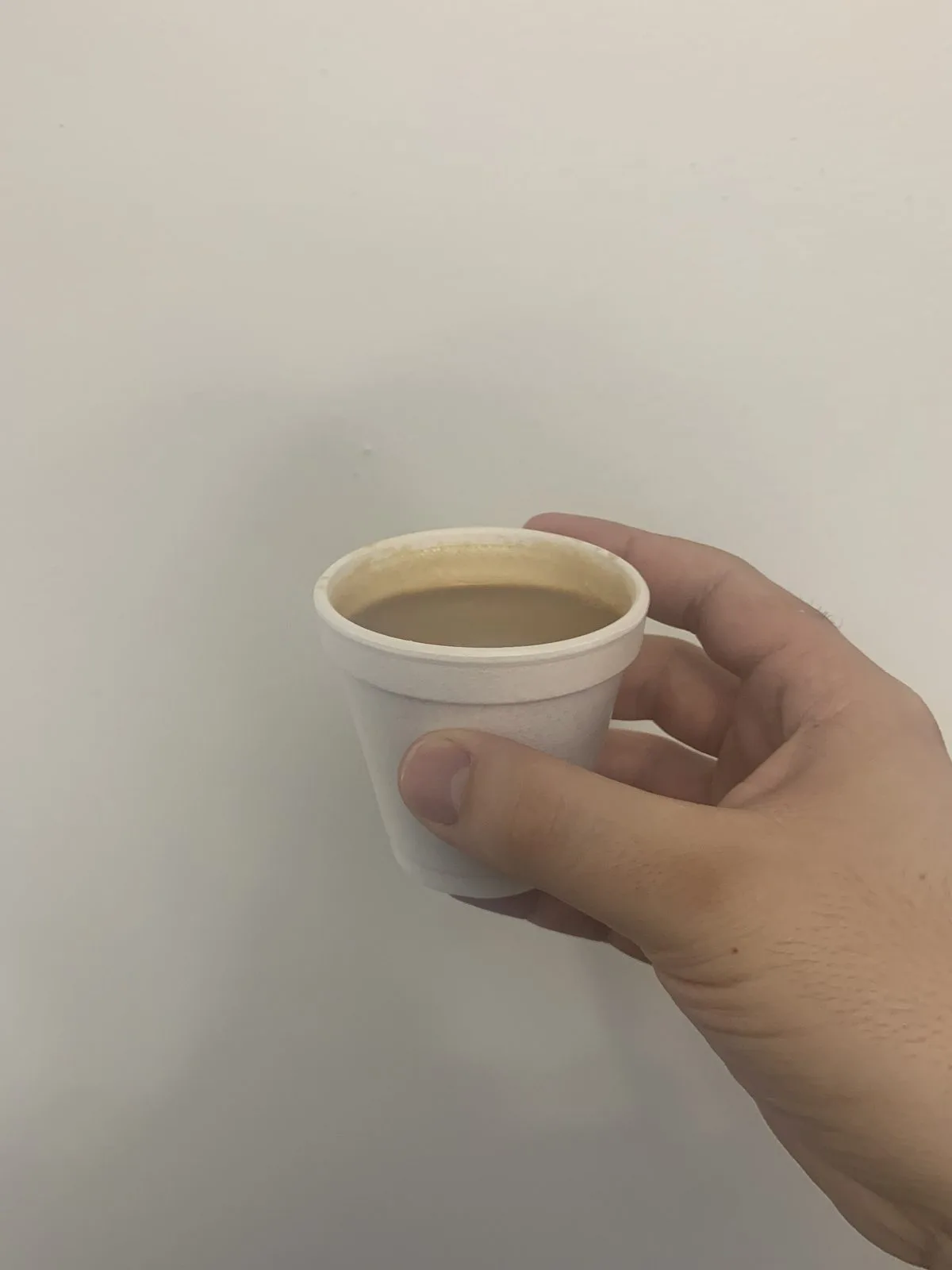
In Miami the cortadito is part of daily life: it’s ordered at ventanitas, walk-up coffee windows at Cuban bakeries and restaurants, often with a pastelito or croqueta. Order a “cortado” in Miami and you may well be handed a cortadito.
In the cup
- Light foam 10%
- Steamed milk 45%
- Sweetened Cuban espresso 45%
Ingredients
- Dark-roast Cuban-style coffee, finely ground≈ 7–14 g (1–2 shots)
- Water≈ 30–60 ml
- White sugar1–2 tsp
- Whole or evaporated milk≈ 30–60 ml
How to make it
You needEspresso machine or stovetop moka pot (cafetera), small jug, spoon, milk steamer or small pan, small cup
RatioAbout 1:1 sweetened espresso to milk (sometimes up to 3:1 coffee to milk)
-
Put the sugar in a small jug.
-
Start brewing the coffee and pour the first few teaspoons of concentrated coffee onto the sugar.
-
Beat the sugar and coffee hard with a spoon until it becomes a pale, thick espumita.
-
Pour in the rest of the coffee and stir gently – a light foam will rise to the top.
-
Heat or steam the milk and pour it into the cup with the sweetened coffee in roughly equal parts. Serve straight away.
Origin & history
The cortado – espresso “cut” with a little milk – comes from Spain, and the idea of cutting coffee with milk travelled to Cuba during the colonial period. In Cuba, a sugar-growing island, coffee came to be drunk heavily sweetened, and the sugar-whipped café Cubano, with its espumita, became the base for a distinctly Cuban small milk coffee: the cortadito.
When large numbers of Cubans settled in Miami from the late 1950s and 1960s, they brought their coffee culture with them. Walk-up windows called ventanitas at Cuban cafés and bakeries in Little Havana and beyond made the cafecito and cortadito an everyday ritual for the whole city. Versailles, opened in Little Havana in 1971, is one of the best-known places to order one.
Exact dates for when the cortadito first appeared in Cuba are not well documented.
Variations
- Café Cubano (cafecito)the same sweetened espresso without milk (Cuba / Miami)
- Coladaa larger serving of sweet Cuban coffee with small cups for sharing (Miami, USA)
- Café con lecheCuban coffee with much more steamed milk (Cuba / Miami)
- Cortadothe unsweetened Spanish original (Spain)
Good to know
It comes already sweetened. If you want less sugar, say so before it's made.
Order at a ventanita – the walk-up coffee windows of Miami's Cuban cafés and bakeries.
Want just coffee? Order a cafecito. Want more milk? Order a café con leche.
Sharing with colleagues? A colada is a larger sweet coffee served with tiny cups for everyone.