Carajillo
Say kah-rah-HEE-yoh
An espresso combined with a spirit or liqueur. Spain's version is hot and short, usually with brandy, rum or anise; Mexico's modern classic is espresso shaken with Licor 43 and served over ice.
- ServedHot & Iced
- In EnglishSpiked coffee
- TastesBold, Rich, Sweet
About Carajillo
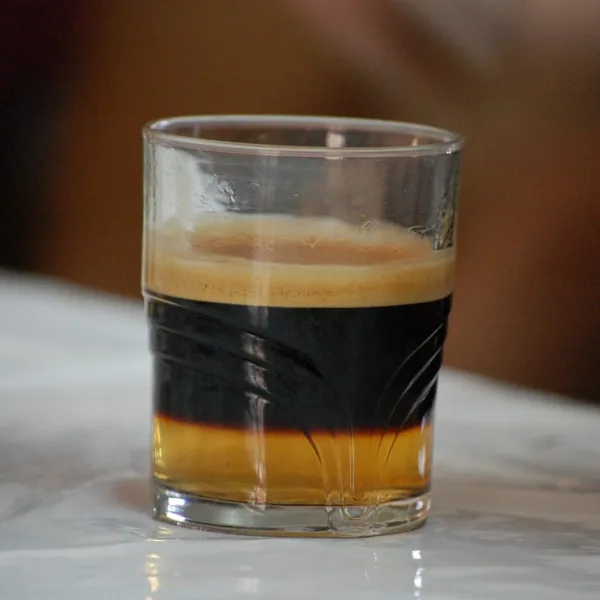
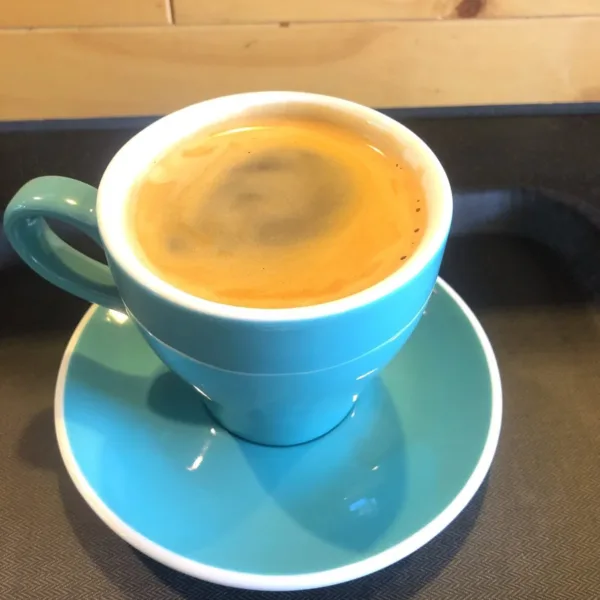
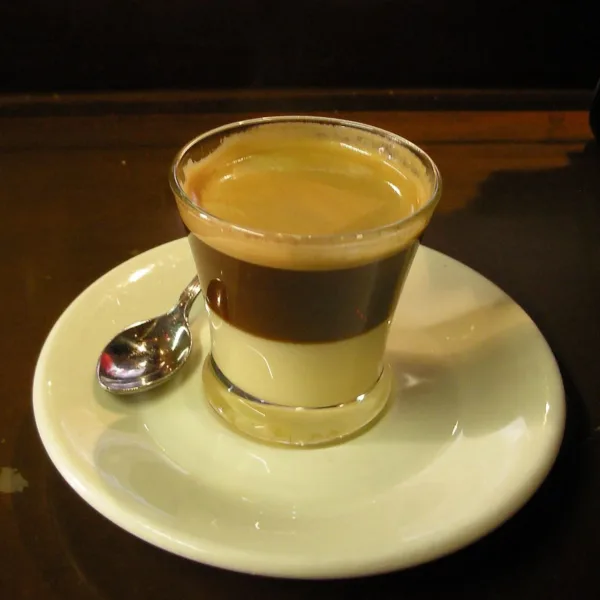
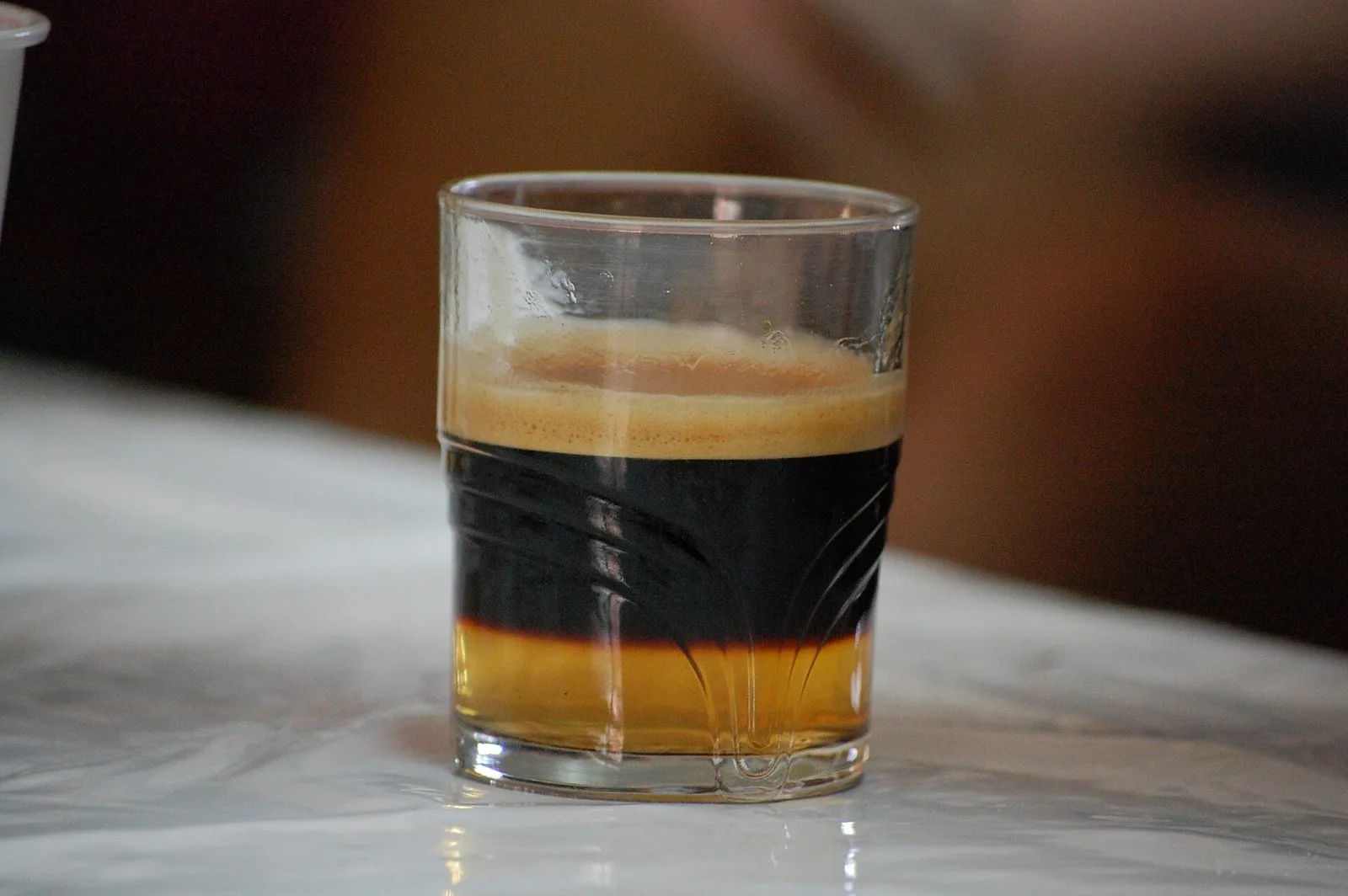
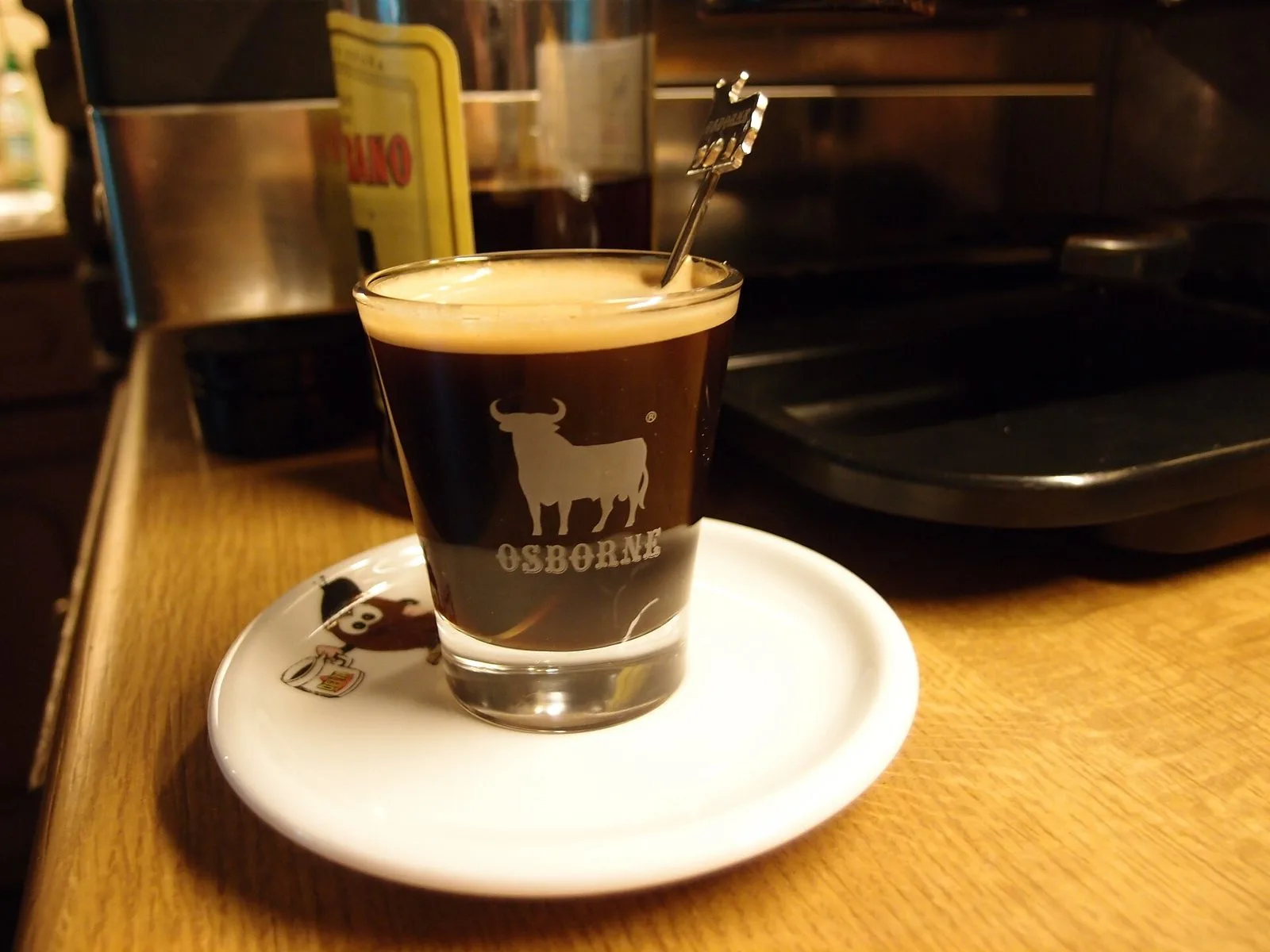
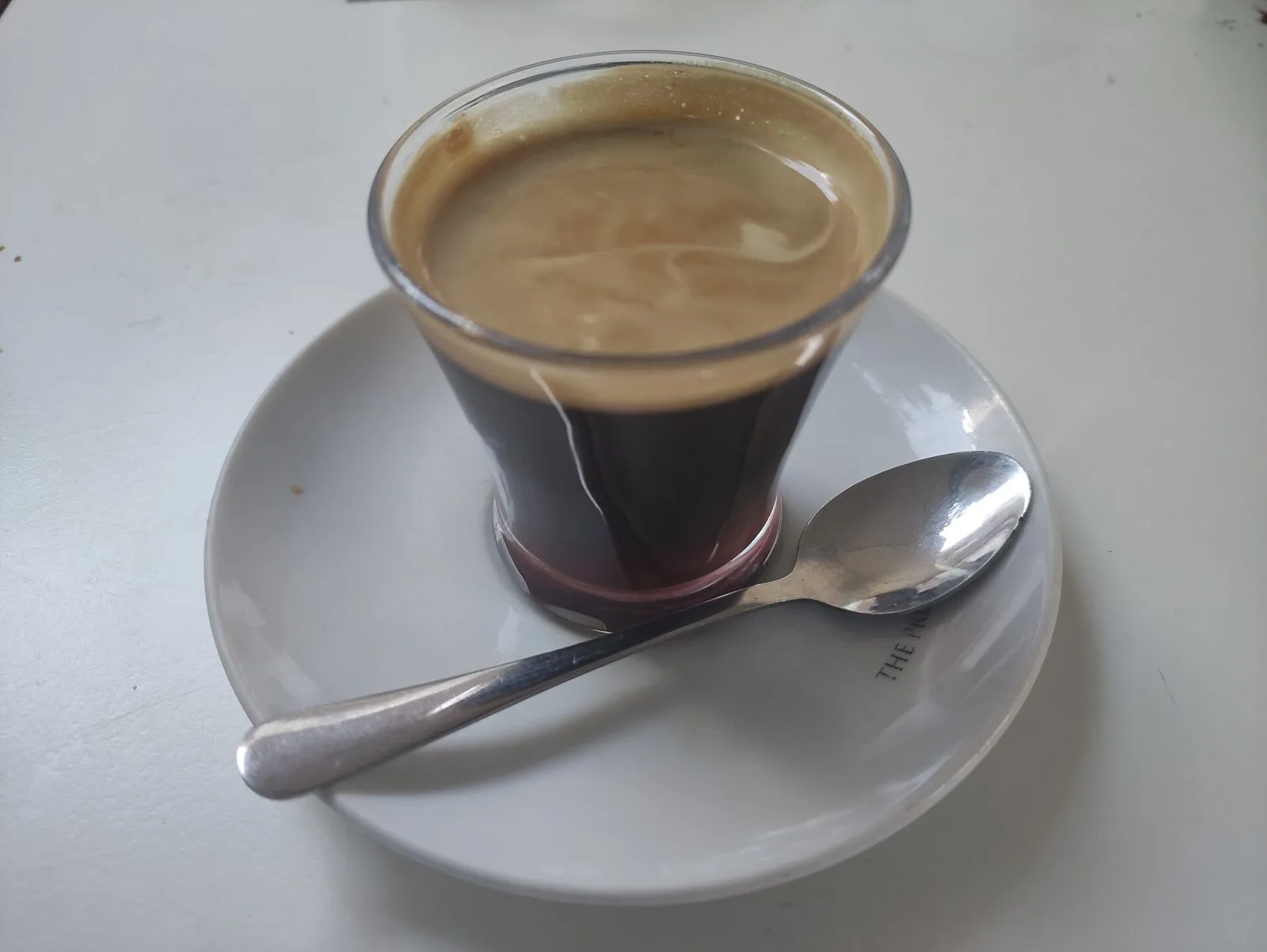
A carajillo is simply coffee with a shot of spirit, served in a small glass. In Spain it is a bar-counter classic: an espresso with brandy, rum, whisky or anise liqueur, either poured in or served alongside for you to add. It is drunk after lunch or, traditionally in some working neighbourhoods, as a quick pick-me-up during the day.
In Mexico the carajillo has become something else: a sleek after-lunch or pre-night-out cocktail of espresso and Licor 43, a sweet Spanish liqueur with vanilla and citrus notes, shaken or stirred over ice and served in a rocks glass. Sweet, bitter and bold, it tastes a little like coffee with vanilla custard.
Similar drinks exist across the Spanish-speaking world – with brandy in Colombia and Venezuela, rum in Cuba, mezcal or coffee liqueur in Mexico – and the carajillo is a cousin of Italy’s caffè corretto and Ireland’s Irish coffee.
In the cup
- Foam 10%
- Espresso 45%
- Licor 43 or brandy 45%
Ingredients
- Freshly pulled espresso≈ 30–60 ml
- Brandy, rum or anise (Spain) or Licor 43 (Mexico)≈ 15–60 ml
- Ice cubes (Mexican version)to fill the glass
- Sugar (optional, Spanish version)to taste
- Espresso beans or lemon peel (optional garnish)a few
How to make it
You needEspresso machine, small heat-proof glass (Spain) or cocktail shaker and rocks glass (Mexico)
RatioSpain: 1 espresso (≈ 30 ml) to a small splash or measure of spirit (≈ 15–30 ml). Mexico: about 1 : 1 espresso to Licor 43, or slightly more liqueur
-
Spanish style: pull an espresso into a small heat-proof glass.
-
Add a measure of brandy, rum or anise, and sugar to taste, and stir.
-
Mexican style: pull an espresso and pour it into a shaker with ice and an equal measure of Licor 43.
-
Shake hard until well chilled and foamy.
-
Strain into a rocks glass filled with fresh ice and garnish with a few coffee beans.
Origin & history
The carajillo’s origins are unclear and its name has several competing explanations. One popular theory derives it from coraje (“courage”), claiming that Spanish soldiers in colonial Cuba drank coffee with rum for courage; this is generally treated as folk etymology. Another links it to carajo, a common Spanish exclamation. Some writers trace the drink itself to cremat, a Catalan blend of coffee and dark rum drunk by traders sailing between Catalonia and the Americas in the 1800s, and accounts variously place its birthplace in Barcelona or Andalusia.
What is certain is that by the 20th century the carajillo was a staple of Spanish bars, and similar drinks spread across Latin America. In Costa Rica, for example, it was a popular after-dinner drink from the 1950s to the 1970s, made by pouring hot coffee into a snifter of brandy.
The modern Mexican version uses Licor 43, a Spanish liqueur made by the Zamora family in Cartagena since 1946. Shaken over ice, it became fashionable among young Mexicans in the early 2000s, and in recent years it has spread to bars in the United States and beyond.
Variations
- Carajillo 43espresso shaken with Licor 43 over ice (Mexico)
- Crematrum and coffee with sugar, cinnamon and lemon peel (Catalonia, Spain)
- Barraquitolayered coffee with condensed milk, foamed milk, lemon, cinnamon and Licor 43 (Tenerife, Spain)
- Caffè correttoespresso “corrected” with grappa or sambuca (Italy)
Good to know
In Spain, say which spirit you want; if you don't, the bar will pick its house brandy.
In Mexico the default is Licor 43 – ask for mezcal if you want a smokier, drier version.
Shaking the Mexican version hard with ice gives it a light foam on top.
It contains a full measure of spirits, so drink responsibly and don't drive.